
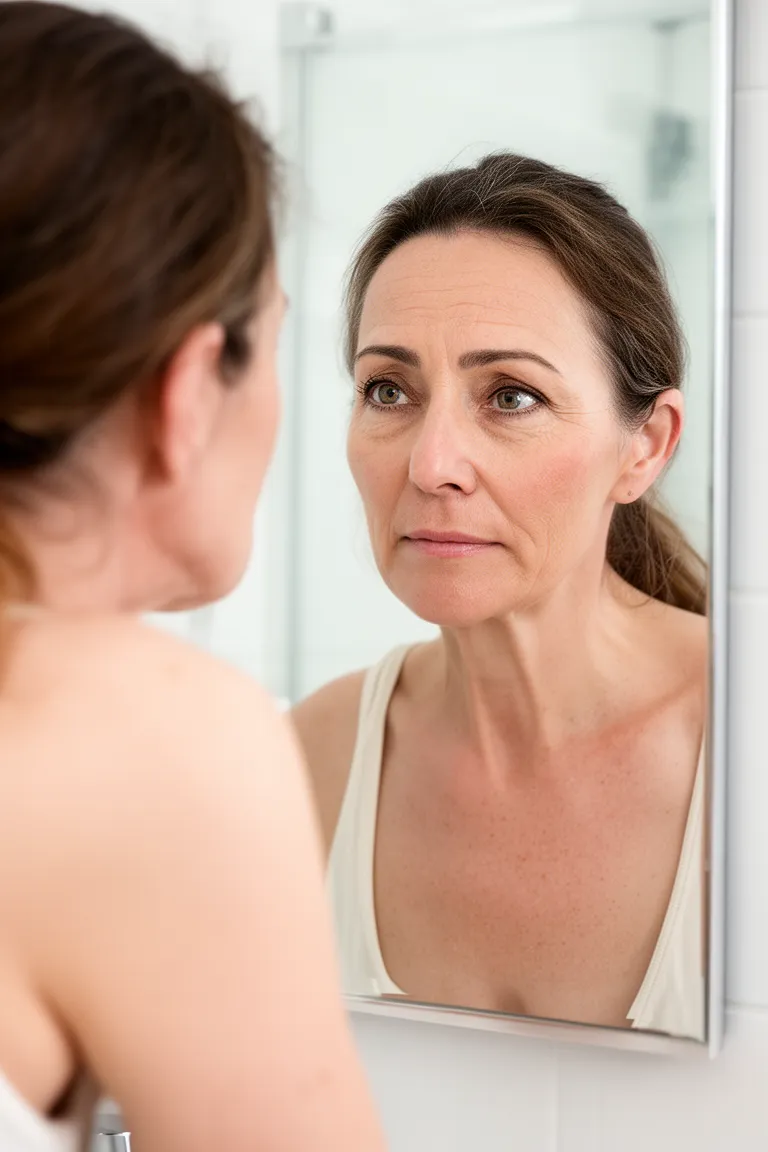
I was standing in my bathroom, leaning in way too close to the mirror, tracing the stubborn lines around my eyes with a sinking heart. At 48, I’d made peace with a few signs of aging, but these? They felt like a personal betrayal. I drank my water, wore my SPF, and had a bathroom cabinet that looked like a CVS aisle dedicated to disappointment. Every jar and bottle was a monument to a broken promise—another “miracle” cream that left my skin exactly the same, just a little poorer.
So when my friend Lisa gushed about this “Skinception” cream over coffee, I gave her my best skeptical smile. “Oh, honey,” I thought. “You’ve fallen for the marketing.” I’d heard the whispers online about a ‘Skinception fake vs real official formula’ debate, and it just sounded like more noise. Another overpriced potion with a side of internet drama. I nodded politely, assuming it was just her turn to waste money on the dream.
But then, I saw her. Three months later, at our book club, her skin had a glow I hadn’t seen since our college days. The fine lines I knew she had around her mouth were just… softer. It wasn’t a dramatic, “whoa, did you get work done?” change. It was subtle, real, and utterly convincing. That was my trigger. That quiet, undeniable proof in a friend I trusted shattered my wall of skepticism. Maybe, just maybe, I wasn’t chasing a fantasy. Maybe the real problem wasn’t my skin, but everything I’d been putting on it. That moment of seeing a genuine transformation with my own eyes is what finally pushed me to dig into the truth behind the hype.
My Journey from Skeptic to Believer: Why I Even Looked at Skinception
My history with anti-aging disappointments is a long and expensive one. I’d tried everything from drugstore staples to department store luxuries that required a second mortgage. Each time, the cycle was the same: hope, application, waiting, and then the crushing realization that the only thing plumping was the brand’s bank account. I felt like my skin had become immune to promises. So, my initial skepticism about Skinception wasn’t just a casual doubt; it was a hardened defense mechanism built on years of throwing money away.
The specific trigger that led me to Skinception, as I said, was Lisa. But it wasn’t just her results. It was her journey. She confessed she’d almost been duped by a cheaper version online and had done a deep dive to find the real formula. She talked about it not with the zeal of a salesperson, but with the relief of someone who’d finally found an answer after her own string of failures. Her story mirrored mine too closely to ignore. That search for genuine solutions, fueled by past letdowns, is a club no one wants to join, but many of us are card-carrying members. I realized if I wanted a different outcome, I had to start with a different approach. I had to become a detective, not just a consumer. This was the pivotal shift from passive buyer to active investigator—a mindset change that made all the difference.
The 'Fake vs. Real' Debate: What I Discovered About Official Formulas and Knock-offs
Armed with Lisa’s warning and my own renewed (but cautious) hope, I went online. Typing “Skinception” into a search bar was like opening Pandora’s box. I was immediately plunged into the confusing world of the ‘Skinception fake vs real’ debate. Forum threads, reviews on shady-looking sites, and listings on massive online marketplaces all offered the product at wildly different prices. My heart sank. This was exactly the murky territory I hated.
Understanding the prevalence of counterfeit beauty products was my first sobering lesson. It turns out, popular skincare is a prime target for fakes. These knock-offs often look convincing at a glance but contain, at best, inert fillers and, at worst, harmful ingredients like steroids or heavy metals. The risk isn’t just wasting money; it’s potentially causing rashes, breakouts, or long-term damage. Suddenly, the higher price for the authentic version wasn't about luxury; it was about basic safety.
Key identifiers of official Skinception packaging and labeling became my new bible. I learned to look for specific holographic seals, precise font work, and batch codes printed with crisp laser quality—not smudged ink. The official site had clear, high-resolution images, which I kept open in a tab for side-by-side comparison. The weight of the bottle, the feel of the pump, even the scent of the cream (or intentional lack thereof) were all part of the authenticity check. This hands-on research was crucial for learning how to tell if Skinception is real or fake.
Where to safely purchase genuine Skinception products became my mission. I steered clear of third-party sellers on major marketplaces offering deals that seemed too good to be true (because they were). I learned that the most reliable path was directly through the official website or authorized, verified retailers. It might cost a few dollars more, but after my research, I saw that premium as an insurance policy for my face. The risks associated with unverified sellers and unauthorized formulas simply weren’t worth the supposed savings. They promised anti-aging but could deliver accelerated aging from irritation or sensitization.
Discovering the truth behind popular skincare products can be a journey. It's important to prioritize your skin's health and safety above all else.
Beyond the Hype: The Science Behind Skinception's Claims (and Why It Actually Works)
Once I felt confident I could identify the real product, I had to answer the bigger question: why would this work when nothing else did? I needed to move beyond the marketing poetry and into the prose of ingredients. I’m not a chemist, but I’ve learned to be an informed reader.
The official Skinception formula relies on a cocktail of key active ingredients like peptides and hyaluronic acid. Peptides, I discovered, are like tiny messengers that tell your skin to produce more collagen—the scaffolding that keeps it firm and plump. Hyaluronic acid is a moisture magnet, holding up to 1,000 times its weight in water to plump skin from within. But here’s what I’d been missing with other products: the specific types matter. Some peptides are better at signaling than others, and low-molecular-weight hyaluronic acid penetrates deeper. The official formula uses these researched, effective versions.
The mechanism of action made sense to me. It wasn’t about creating a temporary film or tight feeling; it was about supporting my skin’s natural repair processes that slow down with age. This was the crucial distinction I’d been missing. My past purchases might have had one of these ingredients listed somewhere near the bottom, but not in the studied concentrations or synergistic combinations that Advancements in laser technologies for skin rejuvenation: A comprehensive review of.... The official formula wasn’t magic; it was biochemistry applied correctly.
Distinguishing effective formulations from inert ones became my new skill. I learned that the order of ingredients matters (the first five do the heavy lifting), and that preservatives and stabilizers are necessary to keep the actives potent. For the first time, reading a label felt less like decoding gibberish and more like understanding a blueprint for results. This knowledge was empowering—it turned me from a hopeful consumer into an educated participant in my own skincare.
The Real Cost: Is Investing in the Official Formula Worth It?
This was my biggest mental hurdle. The official formula isn’t the cheapest option on the shelf. I had to reframe the question from “Can I afford this?” to “Can I afford another cabinet full of failures?” When I calculated the money I’d wasted on a dozen bottles of cheap, ineffective serums and creams, the math became painfully clear. I wasn’t saving money; I was dispersing it into a dozen dead ends.
Investing in the genuine product meant investing in concentration, stability, and research. The knock-offs might have a fraction of the active ingredients, or they might be formulated in a way that renders them useless by the time they hit your skin. Paying for the real thing is paying for the science to work as intended. For me, is Skinception worth the money for anti-aging? Absolutely. Because it’s the only one that actually worked. The value isn’t in the milliliters in the bottle; it’s in the results you see in the mirror. It turned my skincare budget from a cost into an investment with a visible return.
To help clarify the different paths you can take, I’ve broken down the common approaches I considered on my journey. This isn’t about brands; it’s about strategies.
| Approach | Best For | Realistic Timeline for Visible Change | Key Consideration |
|---|---|---|---|
| Single-Ingredient Serums (e.g., just hyaluronic acid) | Beginners or those with one primary concern like dryness. | 2-4 weeks for hydration | Addresses only one piece of the aging puzzle; limited impact on lines. |
| Over-the-Counter "Miracle" Creams (generic anti-aging) | Shoppers prioritizing low cost and convenience. | Often minimal; temporary plumping at best. | May lack clinical-grade concentrations of key actives; high risk of counterfeit versions. |
| Multi-Peptide & Targeted Formulations (like genuine Skinception) | Those with specific aging signs (lines, loss of firmness) who are ready to invest in researched blends. | 4-12 weeks for structural improvements | Requires authenticity verification and consistency; higher upfront cost but more efficient long-term. |
| Prescription Treatments (like retinoids) | Individuals with significant photo-damage or acne scarring, under dermatologist care. | 3-6 months+ | Involves potential irritation and peeling; requires medical supervision and commitment. |
My Personal Transformation: Before & After with the Official Skinception Formula
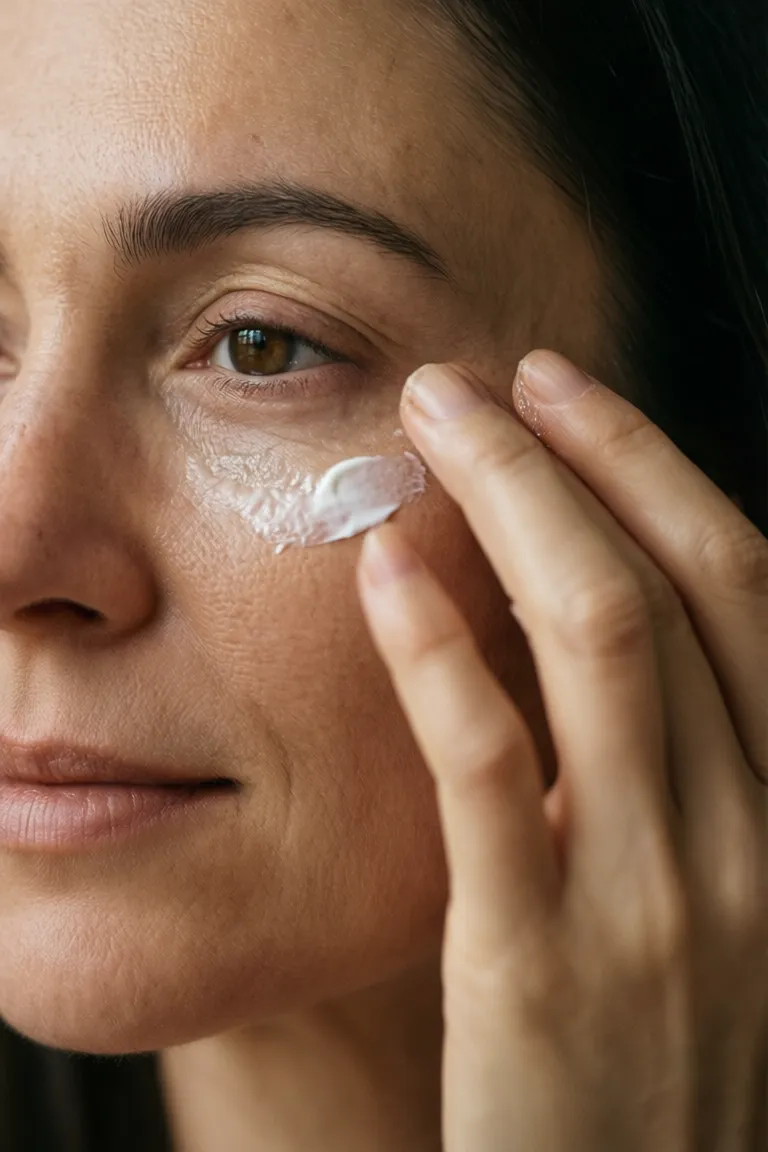
Finally, I clicked “purchase” on the official site. When the bottle arrived, I checked every detail against the authenticity guide. It passed. My skincare routine with Skinception was simple: a pea-sized amount every morning and night on cleansed skin, followed by my moisturizer and SPF. Consistency, I knew, was key. I promised myself I’d give it a full 90 days, no early judgments.
The timeline of noticeable changes was slower than ads promise, but more real. Around the 4-week mark, I woke up and my skin just looked… happier. More hydrated. The tight, dry feeling I’d accepted as normal was gone. This was the “my experience with Skinception anti-aging cream” starting to unfold. By week 8, I was studying my reflection again, but this time with curiosity, not dread. The fine lines around my eyes, my personal nemeses, appeared less etched. They were still there, but softened, as if someone had gently blurred them.
The specific results were what sold me completely. The improvement in texture was remarkable—my skin felt smoother, more even. There was a noticeable increase in firmness along my jawline, that subtle lift you hope for. It wasn’t a facelift in a jar, but it was a definite bounce-back. The emotional impact of seeing genuine results is hard to overstate. It wasn’t vanity; it was validation. It was proof that my skin could still respond, that I wasn’t doomed to just watch it decline. My Skinception before and after my 40s wasn’t about looking 30 again; it was about looking like the best, most refreshed version of my 48-year-old self.
Making informed choices about your skincare is crucial for achieving the results you desire.
Scientific Evidence
Avoiding My Mistakes: How to Spot a Genuine Skinception Product and Get Real Results
Looking back, I made every rookie mistake in the book. I bought based on price, on flashy claims, and out of desperation. I don’t want you to do that. So, here’s my practical checklist for verifying product authenticity, born from my own paranoia-turned-knowledge.
First, buy from the source or a verifiably authorized retailer. Second, examine the packaging: look for spelling errors, flimsy materials, or missing seals. Third, the product itself should have a consistent texture and scent (or lack thereof)—if it smells funky or feels greasy, be suspicious. These are the practical details you learn from my experience with Skinception anti-aging cream.
Understanding ingredient lists is another layer of protection. With the real formula, you should see those powerhouse ingredients—like Matrixyl 3000, Argireline, and Hyaluronic Acid—listed prominently. If the list is short, vague, or filled with things you can’t pronounce and can’t find information on, that’s a red flag. what really helps firm skin after 40 besides expensive creams are what you’re investing in. It’s not a one-week wonder; it’s a commitment to supporting your skin’s health.
And a crucial, final piece of advice: know when to consult a dermatologist about anti-aging concerns. No cream can replace professional medical advice for significant skin issues. I see my derm annually, and I brought this product up to her. Her approval of the ingredient profile was the final seal of confidence for me. This journey taught me that being proactive about anti-aging means being both smart about the products you choose and honest about when you need expert help.
Building a Routine Around Your Star Product
Finding a product that works is a victory, but it’s not the whole war. I learned that even the best anti-aging cream can’t perform miracles in a vacuum. To truly amplify my results, I had to look at the supporting cast in my routine. Gentle cleansing became non-negotiable—no more stripping my skin’s barrier with harsh sulfates. I became religious about my sunscreen, every single day, rain or shine. I added a richer, repairing night cream on top of my Skinception to lock in all that goodness while I slept. intensive eye cream for deep wrinkles honest review from a woman in her 40s.
This holistic approach made all the difference. The Skinception formula was the star player, but it needed a good team around it. It’s like planting a seed in fertile soil versus barren dirt. You’re giving the active ingredients the best possible environment to do their job. My advice? Don’t just slap on a miracle cream and call it a day. Build a simple, supportive routine around it. Protect your investment by nurturing your skin’s overall health.
The Mindset Shift: From Chasing Quick Fixes to Embracing Consistent Care
The most profound change wasn’t just on my skin; it was in my head. My entire approach to anti-aging had been reactive and frantic—see a new line, panic, buy a new potion. This journey forced me to slow down and become strategic. I stopped looking for a “fix” and started practicing “care.” There’s a powerful difference. One is rooted in fear of aging; the other is rooted in respect for your skin. is reducing wrinkles naturally actually possible or just hype.
This shift gave me patience. I didn’t scrutinize my face every morning for changes. I simply trusted the process and enjoyed the ritual of taking care of myself. The results came more surely because I wasn’t stressing over them. I realized that much of the anxiety marketed to women my age is designed to keep us buying, not to help us improve. Breaking that cycle, by finding something that genuinely worked and sticking with it, was incredibly empowering. It quieted the noise and let me focus on what actually mattered: feeling good in my own skin, at every age.
Frequently Asked Questions
Q: How long did it take for you to see results, and what were the first signs? A: It’s important to manage expectations. I noticed improved hydration and a “brighter,” less tired look within the first 3-4 weeks. For visible softening of fine lines and improved texture, it took a solid 8 to 12 weeks of consistent, twice-daily use. Real skin renewal—the process of building new collagen—takes time, so patience and consistency are absolutely key.
Q: How can I be 100% sure I’m buying the real Skinception and not a fake? A: This was my biggest worry. My advice is to purchase directly from the official website or from authorized retailers you can verify through the brand’s own “find a retailer” page. Be extremely wary of third-party sellers on large marketplaces offering deep discounts. Always check the packaging for official holograms, precise typography, and batch numbers. If the price seems too good to be true, it almost always is.
Q: Is this product good for all skin types, even sensitive or acne-prone skin? A: While the official formula is designed to be well-tolerated and non-comedogenic (won’t clog pores), everyone’s skin is different. It contains potent active ingredients. If you have extremely sensitive, rosacea-prone, or highly reactive skin, it’s always wise to do a patch test first. Apply a small amount behind your ear or on your inner arm for a few days to see how your skin responds. When in doubt, consult with your dermatologist before starting any new active skincare product.
Q: Can I use Skinception with other serums or prescription retinol? A: This is a great question for a dermatologist. From my experience and research, it’s best to avoid overloading your skin. Using too many actives at once can cause irritation and make it hard to know what’s working. I use Skinception as my primary treatment serum and keep the rest of my routine simple—gentle cleanser, moisturizer, and SPF. If you want to introduce another active like retinol, many derms recommend spacing them out (use one in the AM, one in the PM) and proceeding very slowly to monitor tolerance.
Q: What should I look for in any anti-aging cream to know it’s high-quality and legitimate? A: After my journey, I look for a few things: a clear, prominent list of key active ingredients with their specific names (like “Palmitoyl Tripeptide-5,” not just “peptides”), mention of clinical testing or research, and packaging that protects the formula from light and air (airless pumps or opaque bottles). The brand should explain how the ingredients work together, not just make vague “reduces wrinkles” promises. Transparency is a hallmark of legitimacy.
📌 Love this guide? Save it on Pinterest!
Pin Skinception Fake vs Real: My 2026 Transformation Journey to your board so you can come back to it later.

