
A growing number of men in their 40s and early 50s are finding themselves in a frustrating situation: experiencing the classic symptoms often attributed to aging, such as persistent fatigue, a decline in sex drive, and the unwelcome accumulation of stubborn belly fat. However, a significant shift is occurring in the medical understanding of these issues. For many men in this age group, the primary cause isn't simply the passage of time; it's a complex metabolic disruption happening within their bodies, particularly in the abdominal area, which actively suppresses testosterone production. This creates a concerning cycle that's frequently mistaken for the inevitable effects of aging. Understanding the distinction between these two scenarios is crucial for men seeking to regain their energy and vitality. Recent reviews highlight that late-onset hypogonadism is now affecting a notable percentage of men aged 40-49, driven by the rise in obesity and metabolic syndrome, making this distinction more important than ever.
Why Low Testosterone and Normal Aging Look Identical in Men Over 40
Unlock Your Vitality After 40

Discover strategies to combat fatigue and reclaim your energy levels.
Every man undergoes a gradual, natural decline in testosterone levels as he ages, typically around 1-3% per year after the age of 40. This decline is a slow and progressive process. The challenge arises when the symptoms associated with this normal decline – such as reduced energy levels, a slower rate of muscle gain, and a decreased libido – become virtually indistinguishable from the symptoms caused by a more aggressive, lifestyle-related suppression of testosterone. This overlap is why relying solely on symptoms as a diagnostic tool can be misleading. For a man carrying a significant amount of extra weight, particularly visceral belly fat, the primary driver of his fatigue and erectile issues is far more likely to be his metabolic health than his chronological age.
The 1-3% annual decline all men experience
The gradual decrease in testosterone production is a natural part of the aging process for all men. This decline is primarily due to changes in the function of the testes and the hypothalamus, the area of the brain that regulates hormone production. While this decline is inevitable, its effects can be significantly amplified by other factors.
How metabolic syndrome masks true aging effects
Metabolic syndrome, characterized by a cluster of conditions including abdominal obesity, high blood pressure, high blood sugar, and abnormal cholesterol levels, can significantly accelerate the decline in testosterone. These metabolic factors create a hormonal environment that mimics and exacerbates the effects of aging, making it difficult to discern the true impact of the natural decline.
Why symptoms alone cannot diagnose hypogonadism
The symptoms of low testosterone, such as fatigue, decreased libido, and erectile dysfunction, are nonspecific and can be caused by a variety of factors, including aging, metabolic syndrome, sleep disorders, stress, and certain medications. Relying solely on symptoms can lead to misdiagnosis and inappropriate treatment. A comprehensive medical evaluation, including blood tests to measure testosterone levels and assess metabolic health, is essential for accurate diagnosis.
Obesity and Metabolic Syndrome as Independent Testosterone Suppressors
It's not simply a matter of being overweight; it's about the location of the fat storage and its metabolic activity. Visceral belly fat, the type of fat that accumulates around the abdominal organs, is metabolically active tissue that functions like an endocrine organ, disrupting the delicate hormonal communication between the brain and the testes. This fat increases inflammation and produces enzymes that actively convert testosterone into estrogen. It also contributes to leptin resistance, which further disrupts the signals intended to trigger testosterone production. This creates a powerful, bidirectional relationship: obesity causes low T, and low T makes it harder to lose fat and build muscle, which worsens obesity. For many men, significant weight loss can dramatically reverse what initially appeared to be a permanent hormonal deficiency.
How visceral fat disrupts the hypothalamic-pituitary-testicular axis
The process of testosterone production begins in the hypothalamus, a region of the brain responsible for regulating hormone release. Visceral fat releases inflammatory signals and excess estrogen that interfere with this delicate signaling system, essentially instructing the brain to slow down or cease testosterone production, regardless of age. This disruption can have a cascading effect on the entire hormonal system.
Bidirectional relationship: obesity causes low T, low T worsens obesity
The connection between obesity and low testosterone is a two-way street. Obesity, particularly visceral fat, directly suppresses testosterone production. Conversely, low testosterone can promote fat storage, reduce muscle mass, and decrease energy expenditure, all of which contribute to weight gain and exacerbate obesity. Breaking this cycle requires a comprehensive approach that addresses both hormonal and metabolic factors.
Inflammation and leptin dysregulation mechanisms
Visceral fat is a major source of chronic, low-grade inflammation. This inflammation interferes with the function of Leydig cells in the testes, which are responsible for producing testosterone. Additionally, visceral fat disrupts the action of leptin, a hormone that regulates appetite and energy expenditure. Leptin resistance, a condition in which the body becomes less responsive to leptin's signals, can lead to increased food intake, decreased energy expenditure, and further weight gain.
Why weight loss alone can reverse functional hypogonadism
When low testosterone is primarily driven by obesity and metabolic factors – a condition termed "functional hypogonadism" – it is often reversible through lifestyle modifications. Losing visceral fat removes the source of hormonal interference, allowing the body's natural testosterone production to resume. This is a crucial distinction from primary hypogonadism, which involves a problem with the testes themselves.
It's worth considering various strategies to support hormonal balance. Even basic supplementation can play a role in overall wellness.
Why Belly Fat Crushes Testosterone in Your 40s
For men in their prime, the impact of belly fat on hormone levels is particularly significant. This isn't the gradual decline associated with aging; it's a more aggressive suppression. The prevalence of this condition is rising sharply, as more men enter their 40s with pre-existing metabolic issues resulting from sedentary jobs and poor dietary habits. The fat cells in the abdomen produce an enzyme called aromatase, which converts testosterone into estrogen. Elevated estrogen levels then signal the brain to reduce testosterone production. Furthermore, the chronic, low-grade inflammation stemming from this fat impairs the Leydig cells in the testes, which are responsible for testosterone production. Therefore, if you're questioning whether your fatigue and low drive are simply signs of "getting older" but you're also carrying excess weight around your midsection, belly fat is a likely culprit.
Testing Beyond Total T: Bioavailable Levels Matter
If you undergo testosterone testing, the standard "total testosterone" reading can be highly misleading for men with belly fat and metabolic syndrome. Here's why: obesity often leads to lower levels of a protein called Sex Hormone Binding Globulin (SHBG). Since most of the testosterone in your blood is bound to SHBG and rendered inactive, a low SHBG level means that your total testosterone reading can appear artificially "normal" or only slightly low, even though your body can't effectively utilize it. What truly matters is the amount of hormone that is free and available for your tissues to use – your bioavailable or free testosterone. This is the test that often reveals the actual deficiency. For an accurate assessment, testing should be conducted in the morning after an overnight fast, when testosterone levels are naturally at their highest.
SHBG elevation in metabolic syndrome and how it skews total T readings
While obesity often lowers SHBG, metabolic syndrome can sometimes lead to elevated SHBG levels, which further complicates the interpretation of total testosterone readings. Higher SHBG binds to more testosterone, reducing the amount of free, bioavailable hormone. This can result in a seemingly normal total testosterone level despite a significant deficiency in the usable form of the hormone.
Morning fasting test requirements and timing
The timing of the blood test is crucial for accurate testosterone measurement. Testosterone levels fluctuate throughout the day, typically peaking in the morning and declining in the afternoon and evening. To obtain a reliable baseline measurement, the blood sample should be drawn in the morning, ideally between 8:00 AM and 10:00 AM, after an overnight fast of at least 8 hours. This helps to minimize the influence of food intake and diurnal variations on the results.
When to request free testosterone vs bioavailable testosterone
While both free testosterone and bioavailable testosterone measure the "usable" hormone, bioavailable testosterone includes the fraction loosely bound to albumin, another protein in the blood. Albumin-bound testosterone is readily available to tissues, making bioavailable testosterone a more comprehensive measure of the hormone that the body can actually utilize. For a man with suspected metabolic issues, a bioavailable testosterone test provides the most clinically useful snapshot of what his body is actually working with.
Read about testosil vs testodren which is better for men over 40.
| Approach | Best For | Timeline | Key Consideration |
|---|---|---|---|
| Lifestyle-Only | Mild symptoms, motivated to change habits, no severe metabolic issues. | 3-6 months to see initial changes, 12+ months for significant impact. | Requires consistent effort and discipline; results vary. |
| Basic Supplementation (Vitamin D, Zinc, Magnesium) | Supporting lifestyle changes, addressing potential nutrient deficiencies. | 4-8 weeks to notice subtle improvements. | Supplements alone are unlikely to solve significant hormonal imbalances. |
| Combined Protocol (Lifestyle + Targeted Supplements) | Moderate symptoms, needs additional support beyond lifestyle. | 2-3 months to see noticeable improvements. | Requires careful selection of supplements and monitoring for side effects. |
| TRT Pathway (Testosterone Replacement Therapy) | Severe deficiency, primary hypogonadism, lifestyle changes ineffective. | 2-6 weeks to experience symptom relief. | Requires lifelong commitment, potential side effects, careful monitoring. |

Sleep Apnea's Hidden Role in Low T Symptoms
Here's a factor that many men, and even some doctors, overlook: untreated sleep apnea. It's exceptionally common in overweight men over 40 and is a core component of metabolic syndrome. Sleep apnea doesn't just disrupt sleep quality; it directly suppresses testosterone production. The repeated nighttime awakenings and drops in oxygen levels (hypoxia) severely disrupt the brain's pituitary gland, which serves as the command center for testosterone release. This creates a perfect storm: belly fat contributes to sleep apnea, sleep apnea crushes testosterone, low testosterone makes it harder to lose belly fat, and the cycle continues. Treating sleep apnea with a CPAP machine or an oral appliance can be a first-line intervention that significantly improves energy, cognitive function, and hormonal levels before considering other treatments.
Here's more on testosterone booster results after 30 days what to expect.
How sleep apnea suppresses testosterone independently
Sleep apnea disrupts the normal hormonal rhythms of the body. The repeated episodes of hypoxia trigger the release of stress hormones, such as cortisol, which can interfere with testosterone production. Additionally, sleep deprivation disrupts the pulsatile release of gonadotropin-releasing hormone (GnRH), a hormone that stimulates the pituitary gland to release luteinizing hormone (LH), which in turn signals the testes to produce testosterone.
Prevalence of sleep apnea in men 40-49 with metabolic syndrome
The prevalence of sleep apnea is significantly higher in men aged 40-49 with metabolic syndrome. Studies suggest that up to 70% of men with metabolic syndrome may also have sleep apnea. This highlights the importance of screening for sleep apnea in men with metabolic risk factors and symptoms of low testosterone.
Screening questions and when to refer for a sleep study
If you snore loudly, gasp for air during the night, experience extreme daytime sleepiness despite getting a full night's sleep, or if your partner observes that you stop breathing while sleeping, you should discuss the possibility of sleep apnea with your doctor. A simple sleep study is the definitive diagnostic step.
Don't let hormonal imbalances hold you back from living your best life. It's time to explore options for renewed vitality.
Scientific Evidence
- ✔ Clinical Support: Testosil™ Formula
- ✔ Expert Community: ExcelMale Forum
- ✔ Study: [Wheat-grain moxibustion at the Guanyuan point to regulate low testosterone and
Distinguishing Functional Hypogonadism from Age-Related Decline
This is the critical clinical distinction. Primary hypogonadism involves a problem with the testes themselves (due to injury, infection, or genetic factors). Age-related hypogonadism is the slow, natural decline in testosterone production. Functional hypogonadism, on the other hand, is a reversible state in which an external factor – such as obesity, metabolic syndrome, poor sleep, or extreme stress – is suppressing an otherwise healthy system. For the 40-something man with a desk job and a growing waistline, functional hypogonadism is often the underlying issue. The treatment approach differs radically: the focus should initially be on removing the suppressors (losing weight, improving sleep, reducing stress) rather than immediately resorting to testosterone replacement therapy (TRT).
Functional vs primary hypogonadism: clinical definitions
Functional hypogonadism is characterized by low testosterone levels in the presence of normal or near-normal function of the testes and pituitary gland. Primary hypogonadism, conversely, involves a direct problem with the testes, resulting in impaired testosterone production despite adequate stimulation from the pituitary gland.
Reversibility through lifestyle and weight loss
One of the key characteristics of functional hypogonadism is its potential reversibility through lifestyle modifications and weight loss. By addressing the underlying metabolic factors that are suppressing testosterone production, men can often restore their hormone levels to a normal range without the need for TRT.
When testosterone replacement is evidence-based vs premature
TRT is clearly indicated for men with classic primary hypogonadism or very severe, documented deficiencies. It may be premature if low testosterone is clearly driven by reversible lifestyle factors that haven't been addressed. Initiating TRT without first tackling sleep apnea or obesity can be less effective and may carry unnecessary risks.
Learn more about belly fat low testosterone and low libido in men how are they connected.
Reclaiming Your Levels: A Lifestyle-First Action Plan
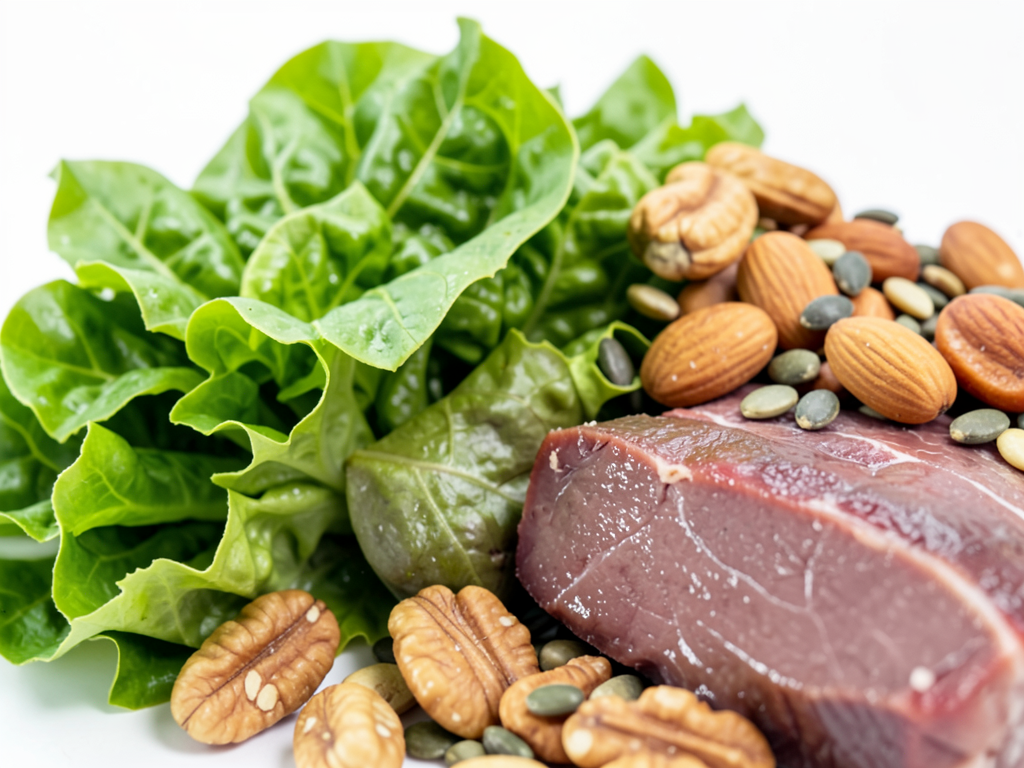
The most effective approach for men whose low testosterone from belly fat men over 40 symptoms are connected to belly fat and metabolic syndrome is to address the root cause. This isn't about quick fixes; it's about resetting the entire system. Prioritize high-intensity interval training and strength training over prolonged cardio sessions, as these are proven to boost testosterone. Dramatically reduce your intake of processed sugars and refined carbohydrates to lower insulin resistance and inflammation. Increase your consumption of healthy fats (such as those found in olive oil, avocados, and nuts) and zinc-rich foods (such as shellfish and pumpkin seeds). Most importantly, commit to achieving quality sleep, as this is when your body produces the majority of its daily testosterone. This integrated approach doesn't just elevate a number on a lab report; it improves the entire metabolic environment that allowed the problem to develop. If you are tired all time erectile issues obesity vs aging men 40s, these lifestyle changes are crucial. Seawater pearl hydrolysate alleviates perimenopausal syndrome by modulating...
It's important to remember that individual results can vary, but taking proactive steps is always a positive move. Consider exploring tailored solutions to optimize your health journey.
Navigating Medical Interventions Safely
If lifestyle changes don't produce sufficient improvement after a committed effort (typically 6-12 months), or if your deficiency is severe and primary, medical intervention may be considered. This begins with a comprehensive diagnostic workup from an endocrinologist or a men's health specialist who understands the nuances of testing bioavailable testosterone. They will also screen for conditions like sleep apnea and check other key hormones. If TRT is deemed appropriate, understand the goals: alleviation of symptoms, not chasing a super-physiological "high." Be aware of the need for ongoing monitoring of hematocrit, PSA, and cardiovascular markers. The decision is significant and should be made with a full understanding of the benefits, risks, and commitment to long-term management.
Frequently Asked Questions
Q: How can I tell if my fatigue is from low T or just metabolic syndrome and aging?
A: It's challenging because the symptoms often overlap. The strongest indication is the presence of significant belly fat and other metabolic markers, such as high blood pressure or elevated blood sugar. If your energy crash coincides with weight gain and your libido drop feels sudden rather than gradual, a metabolic-driven low T is more likely. A proper medical evaluation, including bioavailable testosterone and metabolic panels, is needed to differentiate between the causes.
Q: If I lose the belly fat, will my testosterone bounce back on its own?
A: In many cases of functional hypogonadism, yes. Significant reduction of visceral fat removes the source of inflammation and estrogen conversion that suppresses testosterone production. Studies have shown that men who achieve substantial weight loss often experience a notable increase in testosterone levels and a resolution of related symptoms without any hormonal therapy.
Q: Is testosterone replacement therapy (TRT) safe for men in their 40s with obesity?
A: It requires careful evaluation. TRT can be riskier if underlying issues like untreated sleep apnea or severe obesity are not addressed first, as it can exacerbate these conditions. It's essential to discuss the potential risks and benefits of TRT with your doctor and to undergo regular monitoring for any adverse effects.
📌 Love this guide? Save it on Pinterest!
Pin Low T or Belly Fat? Men's Guide 2026 to Tell the Difference to your board so you can come back to it later.

