

If you’re a woman in your 40s or 50s who eats well and stays active, yet watches your midsection thicken despite your best efforts, you’re not imagining things—and you’re certainly not alone. A surge in wellness conversations has put a name to this uniquely frustrating phenomenon: ‘cortisol belly.’ This term has gained viral traction for a reason, as it perfectly captures the metabolic storm many women face when relentless modern pressures collide with the natural hormonal shifts of perimenopause. It’s not simply about calories; it’s about a body under constant siege, rewiring itself to store fat in the most stubborn place for survival. This article will demystify that powerful connection and provide a clearer, more compassionate path forward, addressing the real-life gaps left by generic health advice.
Cortisol's Role in Belly Fat Storage
Cortisol, your body’s primary stress hormone, acts as a direct instruction manual for your metabolism, and under chronic stress, that manual is stuck on a chapter titled "Store Fat for Survival." When a stressor appears, cortisol mobilizes energy. However, when stress is unrelenting—from work deadlines, family care, or financial worry—chronically elevated cortisol promotes insulin resistance. This means your cells stop listening efficiently to insulin, the hormone that ushers glucose out of your bloodstream. In response, your pancreas pumps out even more insulin, and this high insulin level signals your body to shuttle excess glucose into fat cells, preferentially depositing it as deep visceral fat around your abdominal organs. This cortisol belly fat from work stress isn't passive padding; it's metabolically active tissue that releases inflammatory compounds, further disrupting hormonal balance and creating a self-perpetuating cycle that makes weight loss feel impossible.
Reclaim Your Calm, Reclaim Your Body

Gentle strategies to ease stress and support a healthier you.
Stress Hormone Basics
Cortisol is produced by your adrenal glands in response to signals from your brain’s hypothalamus and pituitary gland, a system known as the HPA axis. Its job is essential: raising blood sugar for quick energy, modulating inflammation, and controlling your sleep-wake cycle. The problem for modern women isn’t cortisol itself, but the fact that the "threats" triggering its release are now psychological and persistent—not fleeting physical dangers.
Visceral Fat Storage Mechanism
Visceral fat is stored deep within the abdominal cavity, surrounding organs like the liver, pancreas, and intestines. Unlike subcutaneous fat (the pinchable kind under your skin), visceral fat has a high concentration of cortisol receptors. When cortisol is high, it activates enzymes in these fat cells that increase fat storage and inhibit fat breakdown. Furthermore, this fat tissue itself can produce cortisol in small amounts, creating a local feedback loop that entrenches fat accumulation right where you least want it.
Why Women Over 40 Are Particularly Vulnerable
The hormonal transition of perimenopause and menopause doesn’t just cause hot flashes; it creates the perfect biochemical backdrop for cortisol to exert its most potent effects. As estrogen levels fluctuate and decline, your body’s natural fat distribution begins to shift from the hips and thighs toward the abdomen. Simultaneously, these hormonal changes can make your entire stress response system more sensitive and slower to recover. This means you may produce more cortisol in response to the same stressors and take longer to return to baseline. This dual hit—a natural decline in metabolic resilience paired with modern, constant stressors—explains why generic diet advice fails and why that stubborn belly can seem to appear almost overnight.
Let's explore how to gently nudge your body back into balance.
best natural supplements for male libido and energy for busy dadsPerimenopause Hormonal Shifts and a Hypersensitive Stress Response
The interplay between declining reproductive hormones and the HPA axis is profound. Estrogen helps modulate the stress response, so as its levels become erratic, your body’s "stress thermostat" can become dysregulated. You might find yourself feeling wired but tired, reacting more intensely to daily hassles, and struggling to quiet a racing mind at night. This state of sustained alert perpetuates the cortisol cycle, directly instructing your body to protect its core with visceral fat.
Modern Stressors like Caregiving and Burnout
For women in this life stage, stress is rarely just emotional; it’s logistical, societal, and relentless. The concept of the "sandwich generation"—juggling the needs of aging parents, teenage or young adult children, peak career demands, and often societal expectations about aging—creates a state of constant, low-grade alarm. This isn't about a bad day; it's about a bad decade. This sustained pressure keeps the cortisol faucet dripping, day after day, directly fueling the fat storage mechanisms we’ve described. It’s the reason why perimenopause stress slowing my metabolism feels so tangible and defeating.
Break the Stress-Fat Cycle

Discover natural ways to balance hormones and reduce stubborn belly fat.
Stress-Induced Muscle Loss Slows Metabolism
High cortisol’s impact isn't limited to adding fat; it actively cannibalizes your metabolic engine: lean muscle tissue. In a true "fight or flight" scenario, cortisol breaks down muscle protein to convert it into glucose for immediate energy. Under chronic stress, this catabolic process continues at a low level, gradually eroding metabolically active tissue. Muscle is your body's most efficient calorie-burner at rest, so losing it means your resting metabolic rate slows down. You burn fewer calories doing nothing. This creates a devastating cycle: stress causes muscle loss, which slows metabolism, which makes weight gain easier and fat loss harder, leading to more frustration and physiological stress. It’s a key reason why exercise routines that don’t address the underlying stress—like excessive cardio—might not yield the expected results and can even exacerbate the problem.
Clinical Insights on Cortisol and Metabolism
Research suggests that prolonged elevation of cortisol is linked to increased protein breakdown and a reduction in protein synthesis, the process by which your body builds and repairs muscle. Furthermore, the insulin resistance driven by high cortisol creates an environment where your body is more likely to store energy as fat than use it to fuel muscle maintenance or growth. Autoimmune Adrenalitis in Systemic Lupus Erythematosus: Identifying a Rare Endocrine...
How Sleep Disruption Amplifies The Stress-Fat Cycle
Poor sleep is both a major cause and a consequence of high cortisol, creating one of the most destructive feedback loops in metabolic health. When you’re stressed, falling and staying asleep becomes difficult, and the sleep you do get is often shallow and non-restorative. This sleep deprivation then triggers a significant spike in cortisol the following afternoon and evening, increases the hunger hormone ghrelin, and decreases the satiety hormone leptin. The result is intense cravings for high-calorie, sugary, and fatty foods, reduced willpower to resist them, and a body biologically primed to store those extra calories as abdominal fat. You simply cannot out-diet or out-exercise chronic sleep disruption; it is a foundational pillar that must be addressed.
bad sleep and low testosterone in men how many hours do you really needIt's time to consider a more holistic approach to wellness.
Recognizing Real-Life Cortisol Belly Scenarios
Understanding the mechanism is one thing; seeing its fingerprint in your own life is another. Cortisol belly is the physical manifestation of a sustained state of overwhelm. It looks like the woman who, during a two-year period of managing a parent’s dementia, finds her waistline expanding despite meticulous meal planning. It feels like the constant low-grade tension in your neck and shoulders, the 3 AM wake-ups with a mind racing over tomorrow’s to-do list, and the exhaustion that feels cellular, beyond what sleep or caffeine can fix. It manifests as that stubborn belly fat after failed diets cortisol seems to protect, especially when those diets were restrictive, added guilt, and became another source of physical and mental stress. It’s the body’s logical, protective response to an environment it perceives as chronically unsafe.
Scientific Evidence
- ✔ Clinical Support: Testosil™ Formula
- ✔ Expert Community: ExcelMale Forum
- ✔ Study: Steatotic liver disease arising in an asymptomatic 20-year-old man with
Burnout and Its Physical Footprint
Career burnout, characterized by emotional exhaustion, cynicism, and reduced professional efficacy, has a direct physiological correlate. The constant pressure and lack of recovery keep the HPA axis engaged, leading to the same downstream effects: visceral fat accumulation, muscle loss, and metabolic slowdown. Your body interprets a toxic work environment as a threat just as real as a physical one.
The Unique Impact of Caregiving Stress
The stress of caring for others—whether children, partners, or aging parents—is often accompanied by a profound loss of personal time and autonomy. This "time poverty" eliminates opportunities for stress-buffering activities like exercise, social connection, or simple relaxation, creating a perfect storm for cortisol to dominate your physiology unchecked.
Building a Practical, Evidence-Based Routine for Recovery
Reversing cortisol belly requires a fundamental paradigm shift: from aggressive fat loss to gentle metabolic and nervous system recovery. The goal is to lower the chronic stress alarm and signal safety to your body, not to fight it. This involves consistent, daily practices that are non-negotiable, not optional luxuries.
Foundational Daily Stress Reduction Steps
Start with your breath. Just five minutes daily of slow, diaphragmatic breathing (aiming for 5-6 breaths per minute) can actively stimulate the vagus nerve and lower cortisol. Incorporate deliberate "stress buffers" like a 10-minute walk outside without your phone, listening to calming music, or five minutes of gentle stretching. Crucially, practice setting boundaries. Saying "no" to a non-essential commitment is a direct metabolic intervention that reduces incoming stress load.
Nutrition and Exercise for Hormonal Balance
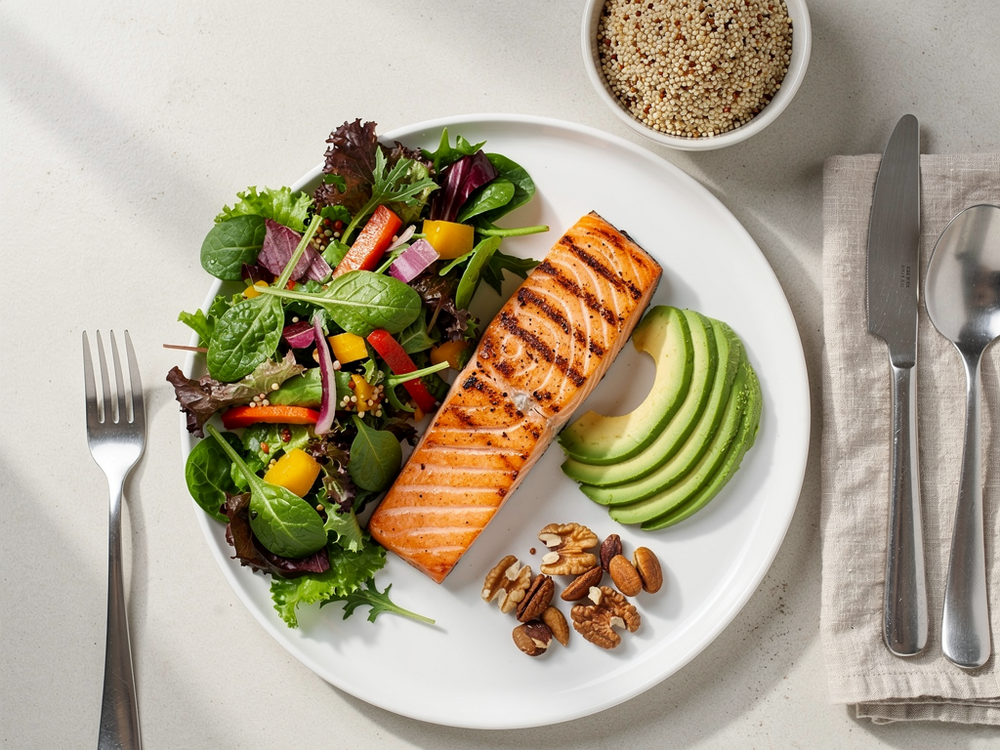
Swap restrictive, low-calorie dieting for consistent, nutrient-dense meals that prioritize blood sugar balance. Aim for a source of protein, healthy fat, and fiber at every meal to support muscle retention, hormone production, and sustained energy. Trade long, intense cardio sessions that may further stress the HPA axis for a balanced approach: strength training 2-3 times per week to rebuild metabolism-supporting muscle, paired with mindful movement like walking, swimming, or yoga. The table below compares different pathways to addressing cortisol-driven weight concerns.
Small changes can lead to significant improvements in your overall well-being.
| Approach | Best For | Timeline for Noticeable Change | Key Consideration |
|---|---|---|---|
| Lifestyle-First Protocol | Those early in recognizing the stress-fat link, preferring non-supplement paths. | 3-6 months for body composition; improved sleep/energy in 2-4 weeks. | Requires high consistency in sleep, nutrition, and stress management. Patience is essential. |
| Guided Nutritional Support | Individuals with clear nutrient gaps or who need structure beyond food alone. | 2-4 months, alongside core lifestyle changes. | Should be guided by a professional to avoid unnecessary or conflicting supplements. |
| Integrated Hormonal & Lifestyle | Women with significant perimenopausal symptoms and high stress where lifestyle alone hasn’t shifted the needle. | 4-8 months for full recalibration. | Involves working with a healthcare provider to address potential hormonal components alongside foundational habits. |
The Critical Role of Mindset and Self-Compassion
Chronically elevated cortisol is often chemically linked to a state of perpetual self-criticism and pressure. The narrative of "I should be doing more" or "I’ve failed at this diet too" is not just negative self-talk; it’s a potent psychological stressor that triggers further cortisol release. Cultivating self-compassion is therefore not a soft strategy; it is a direct metabolic intervention. Acknowledging that your body’s changes are an adaptive, protective response to immense pressure allows you to approach healing from a place of partnership rather than punishment. This shift reduces internal conflict, lowers stress, and creates a more effective environment for sustainable change.
How Long Before You See Meaningful Changes?
Patience is not just a virtue here; it’s a physiological requirement. Healing a dysregulated stress response and reducing visceral fat takes time because you are asking your body to change a deeply ingrained survival pattern. While improvements in sleep quality, daytime energy, and mood can often be felt within a few weeks of consistent stress-lowering practices, noticeable changes in body composition—particularly reduced waist circumference and visceral fat—typically require a minimum of three to six months of dedicated, holistic effort. This timeline reflects the body’s need to consistently feel safe enough to downregulate cortisol production, rebuild lost muscle, and recalibrate insulin sensitivity. Quick fixes are not only ineffective but can act as additional stressors, setting back your progress.
Frequently Asked Questions
A: The primary difference is the driver. While an overall calorie surplus contributes to all fat gain, cortisol belly specifically refers to visceral fat accumulation driven by a chronically activated stress response. It's particularly stubborn because calorie restriction alone often exacerbates the underlying hormonal imbalance, making the fat harder to lose. Addressing the root cause—the stress dysregulation—is essential.
Q: Are the strategies for reducing cortisol belly safe for women in perimenopause and menopause?A: Absolutely. The core protocol of stress management through breath work and boundaries, prioritizing sleep, engaging in strength training, and eating balanced, nutrient-dense meals is fundamentally safe and supportive for hormonal health during this transition. It intentionally avoids the risks associated with extreme dieting, severe calorie restriction, or excessive high-intensity exercise, which can further disrupt an already delicate hormonal and stress-response system.
Q: I've tried relaxing, but I'm still stressed. What if lifestyle changes aren't enough?A: This is a very common and valid experience. The goal is not to eliminate all stress, which is impossible, but to increase your resilience and recovery capacity. If you feel stuck despite consistent effort, consider seeking support from a healthcare professional—such as a functional medicine doctor, endocrinologist, or therapist—who is knowledgeable about women’s midlife health. They can help rule out other contributing conditions like thyroid dysfunction, provide personalized guidance, and explore if additional support is needed for your nervous system or hormonal landscape.
Q: Can I still do high-intensity interval training (HIIT) if I suspect I have high cortisol?A: This requires careful consideration. While HIIT has documented benefits for cardiovascular health, for someone with a chronically taxed HPA axis, it can act as another major physiological stressor, raising cortisol further and potentially hindering recovery. A prudent approach is to first build a solid foundation with strength training, walking, and restorative movement for several months until sleep quality and daily energy levels have noticeably improved. Only then might you cautiously reintroduce short, infrequent HIIT sessions, paying close attention to how your body recovers afterward.
📌 Love this guide? Save it on Pinterest!
Pin Cortisol Belly in 2026: Why Stress Causes Fat Storage After 40 to your board so you can come back to it later.

