

If you’re someone who already prioritizes a clean diet, regular workouts, and good sleep, the subtle signs of aging—like a dip in afternoon energy, slower post-gym recovery, or a bit more mental fog—can feel especially frustrating. You’re doing everything "right," yet something still feels off. This has led many health-conscious individuals in their 40s, 50s, and 60s to explore advanced supplements like NMN (Nicotinamide Mononucleotide), touted as a powerful longevity booster. But scrolling through online communities reveals a common theme: people with already-optimized lifestyles often report spending significant money on NMN only to feel… nothing. This growing conversation highlights a critical gap: what does NMN actually do for someone who isn’t starting from a major deficit? This article cuts through the hype to explore the realistic role of NMN for people who eat clean and exercise regularly.
What NMN Actually Does in the Body
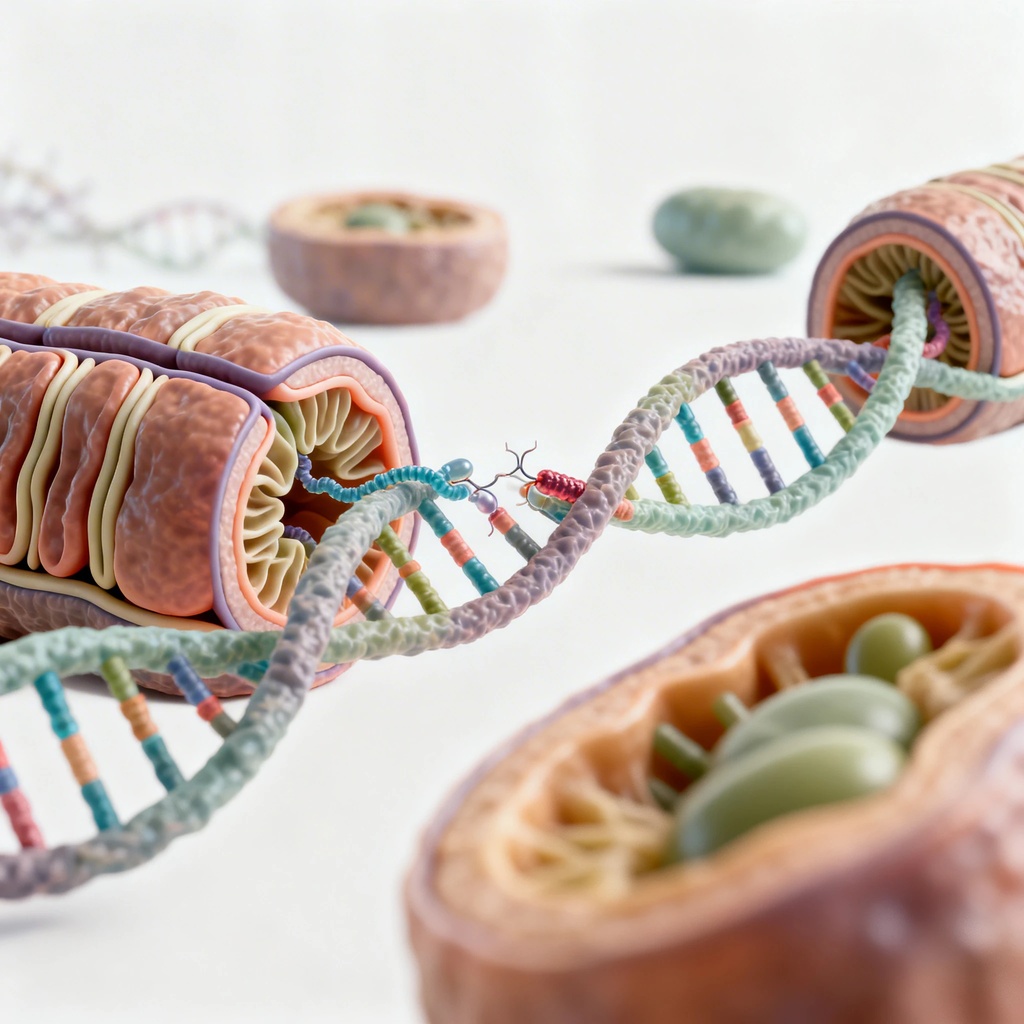
NMN is a direct precursor to a vital molecule in every cell called NAD+ (Nicotinamide Adenine Dinucleotide). Think of NAD+ as the cellular currency for energy production and repair; it’s essential for converting food into usable energy, repairing DNA damage, and activating longevity-associated proteins called sirtuins. As we age, our NAD+ levels naturally decline, which is believed to contribute to the gradual loss of cellular resilience and function. What does NMN do for the body? It provides the raw material to boost NAD+ levels, aiming to replenish this dwindling cellular currency and support the metabolic and repair pathways that depend on it. For the active, health-focused individual, the theory is that supplementing could help maintain the high-performance cellular environment that matches their external lifestyle efforts.

The process isn't a simple on/off switch. When you take NMN, it must be absorbed and converted into NAD+ through a series of enzymatic steps. This NAD+ is then used by three primary classes of enzymes: sirtuins (for cellular repair and gene regulation), PARPs (for DNA repair), and CD38 (for immune signaling). The balance of these demands determines where the boosted NAD+ goes. If your body is under high repair demand from intense exercise or stress, the NAD+ may be directed there, potentially leaving less available for the subtle cognitive benefits you might be hoping for. This is a key reason why the effects of NMN are often described as systemic and subtle rather than targeted and dramatic.
NAD+ Decline with Age
This decline isn't linear or uniform. Research suggests it can accelerate due to factors beyond chronological age, such as chronic inflammation, excessive alcohol consumption, and consistent overeating. However, the activities that define a healthy lifestyle—regular exercise, calorie restriction via clean eating, and good sleep—are all known to support natural NAD+ synthesis. This creates a paradox: the very person most interested in NMN is likely already doing more than most to slow the NAD+ decline through behavior, potentially shrinking the "room for improvement" a supplement can provide. how to naturally increase nad
Energy Metabolism Role
How does NMN work for anti aging? Its most direct role is in the mitochondria, the cellular power plants. NAD+ is a crucial cofactor in the Krebs cycle and the electron transport chain, the processes that turn fats and carbohydrates into ATP, the body's energy molecule. Higher NAD+ levels can theoretically make this process more efficient. For someone who exercises rigorously, this could translate to marginally better endurance or a slight reduction in perceived exertion during a workout, rather than a surge of stimulant-like energy. It’s about optimizing the engine you already have, not installing a new one.The Science: What Human Studies Really Show
The foundational research on NMN and NAD+ boosting is compelling, but it’s crucial to separate animal studies from human reality. Robust studies in older mice show remarkable benefits, from improved muscle function and metabolism to enhanced cognition. Human trials, however, are more modest and nascent. Early studies in middle-aged and older adults generally show that NMN supplementation is safe and can effectively raise NAD+ levels. Some report improvements in markers like insulin sensitivity and muscle performance. The critical nuance often missed is that many of these studies involve participants who are sedentary or have pre-existing metabolic concerns—individuals starting from a lower baseline where an NAD+ boost might create a more noticeable shift. The data on already high-functioning, healthy individuals is sparse, which explains the gap between dramatic lab results and subtle personal experiences.
Key Human Trials
Several key trials form the basis of the current evidence. A study on older men showed that NMN supplementation improved muscle insulin sensitivity. Another in postmenopausal women with prediabetes found similar metabolic benefits. These are meaningful outcomes, but they target a state of metabolic dysfunction. The participants were not elite athletes or meticulous biohackers. NMN vs placebo studies in purely healthy cohorts are rare, making it difficult to say with certainty what the expected effect size is for someone already in good metabolic health. The evidence suggests NMN can improve compromised systems, but its role in optimizing already-good systems is far less clear. best testosterone booster 2026
Animal vs Human Results
This discrepancy is a major source of both hype and confusion. A mouse given NMN might see a 50% increase in running endurance. Translating that directly to a human is problematic due to vast differences in metabolism, lifespan, and study design (often using doses proportionally much higher than a human would take). The mouse model is excellent for proving mechanism and potential, but human biology, especially in an already healthy individual, adds layers of complexity that dampen the dramatic effects seen in the lab.
It's important to consider individual factors when evaluating potential benefits. Let's explore real-world experiences with NMN supplementation.
Real User Experiences Beyond the Hype
A survey of forums like r/supplements and r/Longevity paints a telling picture, directly addressing the current trend signal of users reporting null results. Users who report the most noticeable benefits from NMN often describe high-stress lives, inconsistent sleep, or recent lapses in their usual healthy routines. For them, NMN can feel like a "reset button," bringing back a sense of sustained energy and mental clarity. Conversely, the most common complaints of "no effect" come from users who maintain rigorous diets, excellent exercise regimens, and good sleep hygiene. Their feedback often labels results as "extremely subtle" or questions if the benefits are worth the high cost. This pattern suggests that NMN may be more effective at filling a gap or addressing a deficit than it is at supercharging an already optimized system. The perceived effect is highly contextual to an individual’s starting NAD+ status and lifestyle load.
The phrase "subtle at best" is a recurring theme. For the healthy user, benefits aren't about curing fatigue or adding 50 pounds to a lift. They are described as: "I don't hit the 3 PM wall as hard," "My muscles feel less stiff the day after leg day," or "I can power through a long work meeting without mental drift." These are nuanced improvements that require honest self-assessment to notice, which is why journaling or tracking can be more useful than waiting for a blindingly obvious change.
Common Reasons NMN Fails to Deliver
If you’re investing in NMN and seeing zero results despite your healthy habits, several overlooked factors could be at play, answering the common query, "why nmn isn't working for me."
First is bioavailability—how well your body absorbs it. NMN is a relatively large, charged molecule. Standard capsules may have poor absorption through the gut, which is why many experienced users opt for sublingual (under-the-tongue) powders or liposomal forms that bypass first-pass metabolism. If you're taking a basic capsule with a large meal, a significant portion may never make it into your bloodstream to be converted into NAD+.
Second, the body seeks homeostasis. It can develop a tolerance, effectively downregulating its own natural NAD+ production pathways (like the salvage pathway) if flooded with a precursor continuously. This can lead to diminishing returns over time, where the initial subtle benefit fades. This is a primary reason some experts recommend cycling the supplement—for example, taking it for five days a week or for three months followed by a one-month break. Skincare Supplement
Third, and most pertinent for our target audience, you might simply have robust NAD+ levels already. If your diet is rich in NAD+ precursors (like tryptophan from protein, niacin from poultry and fish, and NR from dairy) and you exercise regularly (which naturally boosts NAD+ through AMPK activation), the marginal gain from a supplement may be too small to feel. You're already near your biological ceiling for your age and lifestyle.
Scientific Evidence
Finally, the root cause of your fatigue or brain fog might be unrelated to NAD+. Hormonal shifts (like declining testosterone or thyroid issues), undetected nutrient deficiencies (like B12 or iron), subclinical gut problems, or unmanaged chronic stress (which elevates cortisol and CD38, an enzyme that consumes NAD+) are all common culprits that NMN cannot fix.
It's important to set realistic expectations for what NMN can achieve. Consider these potential benefits and timelines.
Realistic Benefits and Timelines for the Active and Health-Conscious
So, what can a healthy person realistically expect from NMN supplements? It’s unlikely to be a transformative "anti-aging" miracle. More plausible benefits are subtle enhancements in domains that are already important to you: slightly more consistent energy levels throughout a demanding day, a marginal improvement in post-exercise recovery, or a bit more mental stamina for focused work. These are not day-and-night differences but rather fine-tuning of a system that’s already running well.
In terms of timeline, don’t expect immediate effects. NAD+ pools need time to replenish and cellular processes to adjust. If benefits are to occur, they typically emerge gradually over 1 to 3 months of consistent use. NMN results after 3 months might include feeling more resilient to daily stressors or noticing you bounce back from intense workouts a little faster. It’s about supporting maintenance, not driving a dramatic upgrade. Setting a 90-day trial period with specific, subtle metrics (e.g., "rate recovery from weight training on a scale of 1-10") is a more rational approach than waiting for a life-changing epiphany.
| Approach | Best For | Timeline for Noticeable Effect | Key Consideration |
|---|---|---|---|
| Lifestyle Optimization Only | Those under 40 or new to health fundamentals. Focus on sleep, whole-food nutrition, and consistent exercise. | 4-12 weeks | Provides the most significant and foundational benefits. NMN is unnecessary here. |
| Basic Supplementation | Individuals with good basics who want to cover clear deficiencies (e.g., Vitamin D, Magnesium, Omega-3s). | 2-8 weeks | Addresses low-hanging fruit that may be masquerading as "aging." Often resolves issues before NMN is needed. |
| Targeted NAD+ Support | The core audience: healthy, active people over 40 seeking next-level cellular maintenance after mastering basics. | 1-3 months | Benefits are subtle and contextual. Requires quality NMN, proper dosing, and managed expectations. |
| Comprehensive Longevity Protocol | Advanced biohackers integrating NMN with other strategies (e.g., time-restricted eating, sauna, stress modulation). | Ongoing, synergistic | NMN is one piece of a complex puzzle. Isolating its effect is difficult, but the whole may be greater than the sum of its parts. |
Is NMN Safe for Long-Term Use?
For the majority of healthy adults, NMN appears to be safe in the medium term based on available clinical studies. Commonly reported NMN supplement side effects are mild and can include temporary flushing (due to niacin conversion), mild stomach discomfort, or nausea, particularly at higher doses (above 1 gram). These often subside as the body adjusts or with a reduction in dose. Nicotinamide Mononucleotide Supplementation Reverses the Declining Quality of...
The biggest unknown, as with many novel supplements, is the long-term safety profile over decades of use. While raising NAD+ systemically is the goal for healthy cells, there is theoretical concern about whether it could inadvertently fuel pre-existing, undetected conditions, as rapidly dividing cells (including some cancer cells) are also metabolically active and use NAD+. This is not a reason for panic but for prudence. The question "is nmn safe long term?" doesn’t yet have a definitive answer, so a cautious, informed approach is wise. Anyone considering long-term, high-dose use should do so with awareness and ideally under the guidance of a healthcare professional who understands their full health picture and family history.
Ultimately, the decision to try NMN is a personal one. Consider these next steps to determine if it's right for you.
Who Should Try NMN and Next Steps
Given the cost and subtlety of effects, NMN is not a universal supplement. It may be worth a carefully considered trial for healthy, active individuals who are over 40, have ruled out other causes for their subtle declines through basic bloodwork (checking hormones, vitamins, metabolic panels), and are curious about advanced longevity support with a plausible mechanism. It’s for the person who views it as an experiment in cellular maintenance, not a cure.
Your next steps should follow a logical hierarchy:
- Audit and Optimize Foundations: Be brutally honest about your sleep, diet, exercise, and stress management. No supplement can outperform a deficit in these areas.
- Address Basic Deficiencies: Get bloodwork. Correcting low Vitamin D, B12, or ferritin can have a more dramatic impact on energy than NMN.
- Consider a Structured Trial: If steps 1 and 2 are locked in, you can consider an NMN trial. Choose a form known for good bioavailability. Start with a moderate dose (250-500mg) in the morning, consider a cycling protocol, and commit to a 3-month evaluation period while tracking subtle metrics.
- Stack Strategically: NMN may work better in a context that creates NAD+ demand. Pair it with your workouts and consider synergists like exercise, and possibly resveratrol (which activates sirtuins), though evidence for stacking is still emerging.
Frequently Asked Questions
A: It might, but it's not a guaranteed fix. NMN for brain fog even though I sleep well is a common hope, as boosting NAD+ can support neuronal energy metabolism. However, brain fog can stem from many causes like stress, diet sensitivities, hormonal changes, or even overtraining. If your NAD+ levels are already decent from your healthy lifestyle, the improvement may be subtle. It's wise to investigate other potential causes alongside considering a trial of NMN.
Q: Does NMN help with energy if I already exercise?A: It can, but the effect is likely to be more about sustaining energy and improving recovery than providing a stimulant-like boost. Exercise itself increases NAD+ demand for repair and fuel production. Supplementing may help meet that elevated demand more efficiently, potentially helping you feel less drained after tough workouts and maintaining energy levels throughout the day, rather than creating new energy out of nowhere. Does nmn really boost nad levels? Studies confirm it does, but whether that translates to palpable energy for an already-fit person is less certain.
Q: What are the most common NMN supplement side effects?A: The most frequently reported side effects are mild and include temporary skin flushing or redness (similar to niacin), minor gastrointestinal upset like nausea or stomach discomfort, and headaches. These are often dose-dependent and may decrease over time or if taken with food. Starting with a lower dose can help assess tolerance.
Q: Why might NMN not be working for me?A: Common reasons include poor absorption (using a basic capsule form), having already robust NAD+ levels from your diet and exercise, developing a tolerance from continuous use without cycling, or having expectations that are too high for the subtle benefits it provides. Your primary issue (like fatigue) might also be unrelated to NAD+ pathways, stemming from sleep apnea, hormone imbalances, or other nutrient deficiencies.
Q: How long should I try NMN to know if it works?A: A reasonable trial period is 90 days. Cellular processes and NAD+ repletion take time. NMN results after 3 months of consistent, proper use should provide enough data to assess any subtle changes in energy, recovery, or cognitive stamina. If you feel absolutely nothing after a diligent 3-month trial with a quality product, it may simply not be a necessary intervention for your particular biology at this time.
📌 Love this guide? Save it on Pinterest!
Pin NMN Supplements in 2026: Do They Really Work for Healthy People? to your board so you can come back to it later.

