
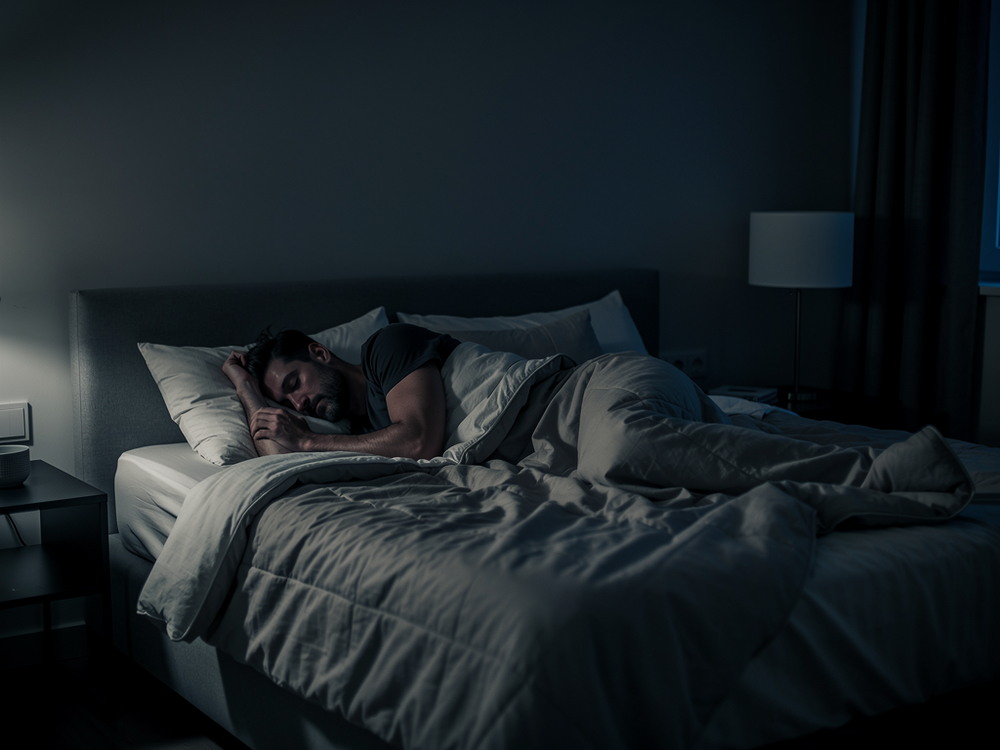
If you’ve ever woken up after a full night’s sleep feeling like you never even closed your eyes, you’re far from alone. For a growing number of people, the simple advice to "get eight hours" has become a source of deep frustration. They clock the time in bed, yet still face the day with brain fog, physical heaviness, and a persistent exhaustion that more sleep simply doesn’t fix. This experience points to a crucial, often overlooked distinction: the problem isn’t how long you sleep, but how well you sleep. Emerging discussions in health communities and clinical circles are shifting focus from sleep quantity to sleep quality, recognizing that unrefreshing sleep is a distinct issue with its own causes and solutions. This is especially relevant for those managing persistent fatigue after illness, for office workers with demanding cognitive jobs, and for anyone who has tried sleeping more only to find themselves still exhausted.
Sleep Architecture: Why Hours on the Clock Don't Equal Restorative Sleep
Sleep is not a uniform state but a complex, nightly cycle of distinct stages, each with a specific role in physical and mental restoration. Think of it like a nightly repair schedule: light sleep acts as a gentle transition, deep sleep (or slow-wave sleep) is for physical repair and immune strengthening, and REM (Rapid Eye Movement) sleep is essential for memory consolidation and emotional processing. The problem of unrefreshing sleep despite sleeping enough often stems from disrupted "sleep architecture"—the natural progression and balance of these stages. You could be in bed for eight hours but spend too little time in the crucial deep and REM stages, or experience frequent, brief awakenings that fragment the cycles without you fully remembering them. This fragmentation prevents the sustained periods needed for true restoration, which is why someone can sleep eight hours but get only a fraction of the restorative deep sleep needed, leading directly to that feeling of waking up exhausted after a full night sleep.
Unlock deeper sleep, wake up refreshed.

Discover simple strategies to enhance your sleep quality tonight.
The Non-Negotiable Roles of Deep and REM Sleep
Deep sleep is when the body conducts its most intensive physical recovery. During this stage, growth hormone is released to facilitate tissue repair, the brain’s glymphatic system becomes highly active to clear metabolic waste, and the immune system is strengthened. It’s a period of profound physical reset. REM sleep, often associated with vivid dreaming, is vital for cognitive and emotional health. It’s when the brain processes experiences, solidifies memories, and regulates mood. When these stages are cut short or interrupted, you miss their unique benefits, no matter how long you spend in bed. This disruption in sleep architecture is a primary culprit behind daytime fatigue and brain fog, explaining the core disconnect between duration and feeling rested.
If you're also wondering, Why do men gain belly fat so easily, it could be related to sleep quality.
Unrefreshing Sleep as a Standalone Condition: Recognition and Screening
For years, waking up tired was typically viewed as just a symptom of another problem, like stress, depression, or sleep apnea. A significant clinical shift is now underway, with emerging guidelines recognizing non-restorative sleep as a condition in its own right. This paradigm is crucial because it moves the conversation beyond simply tracking hours and toward diagnosing why sleep fails to restore energy. People experiencing this often report a specific, frustrating pattern: they achieve what looks like adequate sleep duration on paper, yet the restorative quality is missing, leaving them in a cycle of persistent fatigue. This recognition validates the experience of millions who feel dismissed when told to "just sleep more," and it directs healthcare providers to look for specific markers of non-restorative sleep causes and solutions rather than assuming the issue is purely one of quantity.
It's clear that addressing sleep issues requires a multifaceted approach. Let's consider how specific sleep stages contribute to overall energy levels.
The Role of Deep Sleep and REM in Energy Recovery
Understanding that sleep has specific "ingredients" for recovery changes everything. It’s not just about the total time but the composition of that time. Deep sleep and REM sleep are the non-negotiable elements for energy recovery. Deep sleep lowers the heart rate and blood pressure, allowing the cardiovascular system to rest and rejuvenate. REM sleep, on the other hand, is like a reset button for the brain, processing emotions and solidifying memories. If your sleep is light and fragmented, you’re missing these critical restoration phases. This is the essence of the sleep quality vs sleep duration fatigue dilemma—your body and brain need the right type of sleep, not just more of the wrong kind. It explains why six hours of consolidated, high-quality sleep can leave you feeling more refreshed than eight hours of light, restless slumber.
Post-Exertional Malaise and Sleep Dysfunction in Long COVID
A profound example of the sleep-quality breakdown is found in conditions like Long COVID and Myalgic Encephalomyelitis/Chronic Fatigue Syndrome (ME/CFS). Here, a core feature is post-exertional malaise (PEM), a debilitating and disproportionate worsening of symptoms after even minimal physical or mental effort. For these individuals, the fundamental relationship between rest and recovery is broken. Sleep often doesn't alleviate fatigue; it can feel useless or even be followed by worse symptoms the next day. This creates a heartbreaking paradox where the standard, well-meaning advice to "rest more" can be ineffective or even counterproductive, as excessive inactivity can decondition the body further. The sleep experienced is typically non-restorative, failing to provide the energy recharge the body desperately needs, which is a major focus in discussions about long COVID sleep problems and fatigue. This population, which numbers in the tens of millions, has brought the concept of unrefreshing sleep into sharp, public focus.
Many people with Long Covid ask, Why do I feel less confident than before, and the answer often involves sleep.
Reclaim your energy with better sleep.
Learn how to optimize your sleep for lasting energy and vitality.
Inflammatory Markers and Sleep Quality: Why Rest Alone Doesn't Fix Fatigue
Emerging research points to a key physiological reason why sleep can fail to refresh: systemic inflammation. Elevated levels of certain pro-inflammatory molecules, such as cytokines, can directly interfere with the brain’s sleep-wake centers and disrupt the normal cycling of sleep stages. This creates a vicious cycle where inflammation leads to poor, fragmented sleep, and that poor sleep quality can, in turn, further increase inflammatory markers. This mechanism is particularly relevant for autoimmune conditions, fibromyalgia, ME/CFS, and Long COVID. It explains why simply extending time in bed doesn't work—the underlying issue is an immune system dysregulation that sabotages the very architecture of restorative sleep from within. Addressing sleep in these contexts requires looking at the whole-body inflammatory state, not just sleep habits alone.
Exploring the core symptoms and influencing factors of fatigue-related symptom... may offer additional insights into the complexities of fatigue.
Causes Beyond the Basics: What Stealthily Disrupts Sleep Quality?
While stress and poor sleep hygiene are common culprits, several specific factors can stealthily erode sleep quality without you realizing the extent of their impact. Sleep disorders like obstructive sleep apnea cause repeated, brief breathing interruptions that fragment sleep even if you don’t fully wake up, severely cutting into deep sleep. Restless Legs Syndrome creates an irresistible urge to move the legs, preventing the relaxation necessary to transition into deeper stages. Circadian rhythm disorders, such as Delayed Sleep Phase Syndrome, misalign your internal biological clock with the day-night cycle, making consolidated sleep at a "normal" time difficult. Furthermore, certain medications (like some antidepressants or blood pressure drugs), untreated chronic pain, and even subtle factors in your bedroom environment (ambient light, inconsistent temperature, noise pollution) can prevent you from reaching and maintaining deep, restorative sleep stages. It’s important to investigate these possibilities if you constantly wonder, "why do I sleep 8 hours and still feel tired?"
Identifying these underlying causes is crucial for effective intervention. Now, let's explore practical strategies to enhance sleep quality.
A Practical Framework for Improving Sleep Quality
Improving sleep quality involves a strategic focus on strengthening your sleep architecture and promoting consolidation. The following table outlines different approaches to tackling unrefreshing sleep, helping you understand which path might align with your situation.
Scientific Evidence
- ✔ Clinical Support: Testosil™ Formula
- ✔ Expert Community: ExcelMale Forum
- ✔ Study: Therapeutic Massage for Cancer Survivors: An Umbrella Review.
| Approach | Best For | Timeline for Noticeable Change | Key Consideration |
|---|---|---|---|
| Lifestyle & Behavioral Optimization | Those with inconsistent routines, poor sleep hygiene, or mild stress-related sleep fragmentation. | 3 to 6 weeks of consistent practice | Requires high discipline and patience; addresses root habits but may not fix underlying medical conditions. |
| Medical Evaluation & Treatment | Individuals with symptoms of sleep disorders (snoring, gasping, leg jerks), chronic pain, or persistent fatigue despite good habits. | Varies; diagnosis can take weeks, treatment effects may be felt in days to months. | Essential for ruling out or treating conditions like sleep apnea; involves clinical sleep studies and professional guidance. |
| Managing Underlying Health Conditions | People with diagnosed inflammatory conditions, Long COVID, ME/CFS, or autoimmune disorders. | Long-term management; sleep improvement follows overall symptom management. | Focus is on treating the primary condition; sleep quality improves as a secondary benefit, requiring a holistic healthcare team. |
| Combined Protocol (Lifestyle + Professional Support) | Most people with persistent, unexplained non-restorative sleep. | Staged: habit changes in weeks, with medical insights guiding long-term adjustment. | Most comprehensive path; combines self-efficacy with professional diagnosis to create a tailored, sustainable plan. |
Evidence-Based Strategies to Implement
Based on the framework above, here are concrete, evidence-based steps focused on improving the quality of your sleep.
Prioritize Sleep ConsolidationThis means striving for uninterrupted blocks of sleep. Reduce nighttime disruptions by using blackout curtains, a white noise machine, and setting all devices to "Do Not Disturb" mode. Avoid consuming large amounts of fluids right before bed to minimize bathroom trips. The goal is to protect the integrity of your 90-minute sleep cycles.
Master Circadian AlignmentYour body’s internal clock thrives on consistency. Get bright, natural light exposure first thing in the morning—even 15 minutes can help. In the evening, dim artificial lights and limit blue light from screens. Maintain a consistent sleep-wake schedule, even on weekends, to regulate your internal clock powerfully. This regularity helps anchor your sleep architecture.
Optimize Your Sleep EnvironmentEnsure your bedroom is cool (around 65-68°F or 18-20°C), completely dark, and as quiet as possible. Invest in a comfortable, supportive mattress and pillows. Reserve the bed strictly for sleep and intimacy to strengthen the mental association between bed and rest, not work or worry.
Practice Mindful Movement and Wind-DownRegular physical activity is proven to increase deep sleep, but timing matters. Avoid vigorous exercise within 2-3 hours of bedtime. Establish a relaxing 60-minute pre-sleep routine—this could include reading a physical book, gentle stretching, meditation, or taking a warm bath. This ritual signals to your nervous system that it’s time to shift into rest mode.
Limit caffeine and alcohol, especially in the latter half of the day. While alcohol may induce sleepiness initially, it severely fragments the second half of the night, wrecking REM and deep sleep. A heavy meal right before bed can also disrupt sleep as your body focuses on digestion.
And if you're a man over 40, it's worth asking, Is it normal to feel tired even with normal testosterone?
When to Seek Professional Help
If you’ve consistently worked on sleep hygiene for a month or more and still experience non-restorative sleep, it’s time to consult a professional. Red flags include loud snoring accompanied by witnessed gasps or pauses in breathing (key signs of sleep apnea), uncontrollable leg movements or jerks at night, chronic pain that disrupts sleep, or overwhelming fatigue that impairs your daily function and safety. Start with your primary care doctor, who can perform initial screenings and may refer you to a sleep specialist or other relevant specialist. A clinical sleep study (polysomnography) remains the gold standard to objectively measure your sleep architecture, identify disruptions you’re unaware of, and provide a clear diagnostic path for effective treatment.
Frequently Asked Questions
While some benefits, like falling asleep faster, can be noticed within a few days, meaningful changes to your sleep architecture and the subjective feeling of restfulness typically take consistent practice over 3 to 4 weeks. Your body and circadian rhythm need time to adjust to new, healthier patterns. Patience and consistency are key.
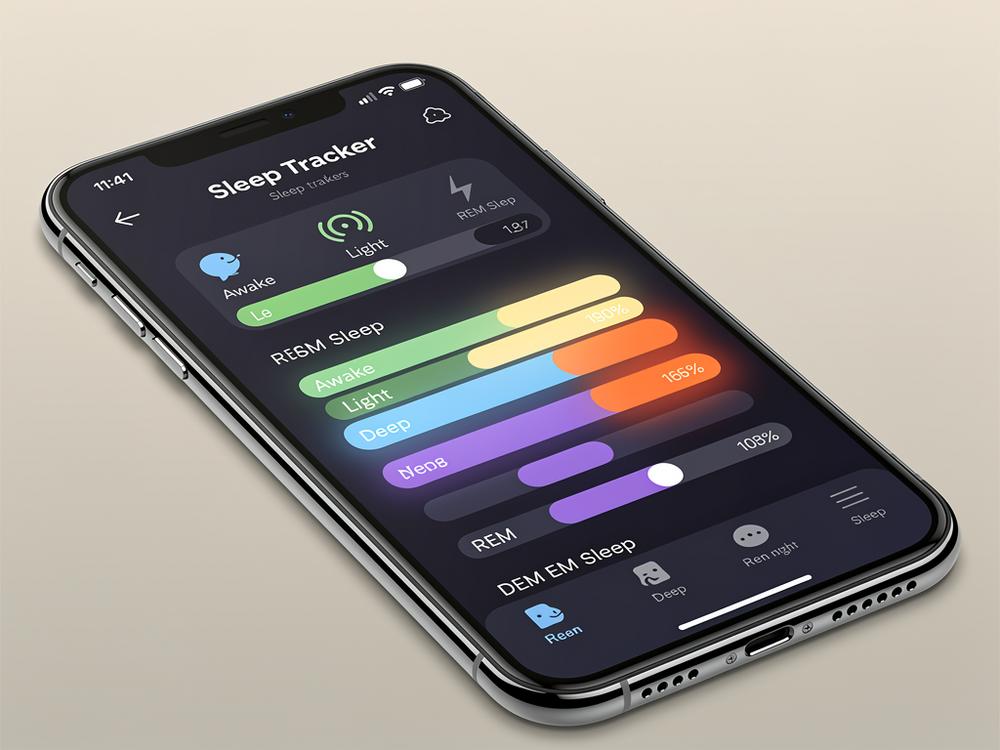
Are sleep trackers accurate for measuring deep sleep and REM?Consumer sleep trackers (like wearables or ring devices) are useful for identifying trends in your sleep patterns, such as consistency, total sleep time, and restlessness. However, they are not medically accurate for diagnosing specific sleep stages like deep or REM sleep. They use movement and heart rate proxies, which can be misleading. Use them as a general guide to understand your habits, not as a definitive clinical tool.
Could my fatigue be a sign of a serious medical condition, even if I sleep 8 hours?Yes, absolutely. Persistent unrefreshing sleep can be a primary symptom of conditions like sleep apnea, thyroid disorders, anemia, or chronic illnesses like ME/CFS, fibromyalgia, or Long COVID. If improving sleep hygiene doesn’t help, or if you have other symptoms like unexplained weight changes, persistent pain, snoring, or overwhelming exhaustion that affects your daily life, it’s important to consult a healthcare provider for a proper evaluation.
I have Long COVID and rest makes me feel worse. What should I do about sleep?This experience is a hallmark of post-exertional malaise (PEM), where the energy system is dysfunctional. The goal becomes "pacing"—carefully managing your energy expenditure throughout the day to avoid crashes. For sleep, focus on gentle circadian rhythm support (morning light, a consistent, gentle bedtime) and creating a restful environment without forcing yourself into long, rigid sleep durations that may increase anxiety. Listen to your body’s signals and work with a practitioner familiar with post-viral conditions to develop a personalized plan.
Is it possible to get too much deep sleep?For most healthy adults, getting more deep sleep is not a concern; the issue is usually not getting enough. However, consistently sleeping excessively long hours (a condition called hypersomnia) or a sudden, significant increase in sleep duration can sometimes indicate other underlying health issues, such as certain neurological conditions or severe depression. The focus should generally be on achieving consolidated, quality sleep naturally through good habits, not on artificially maximizing one specific stage.
📌 Love this guide? Save it on Pinterest!
Pin Sleep 8 Hours But Still Tired? Unlocking Restorative Sleep in 2026 to your board so you can come back to it later.

