
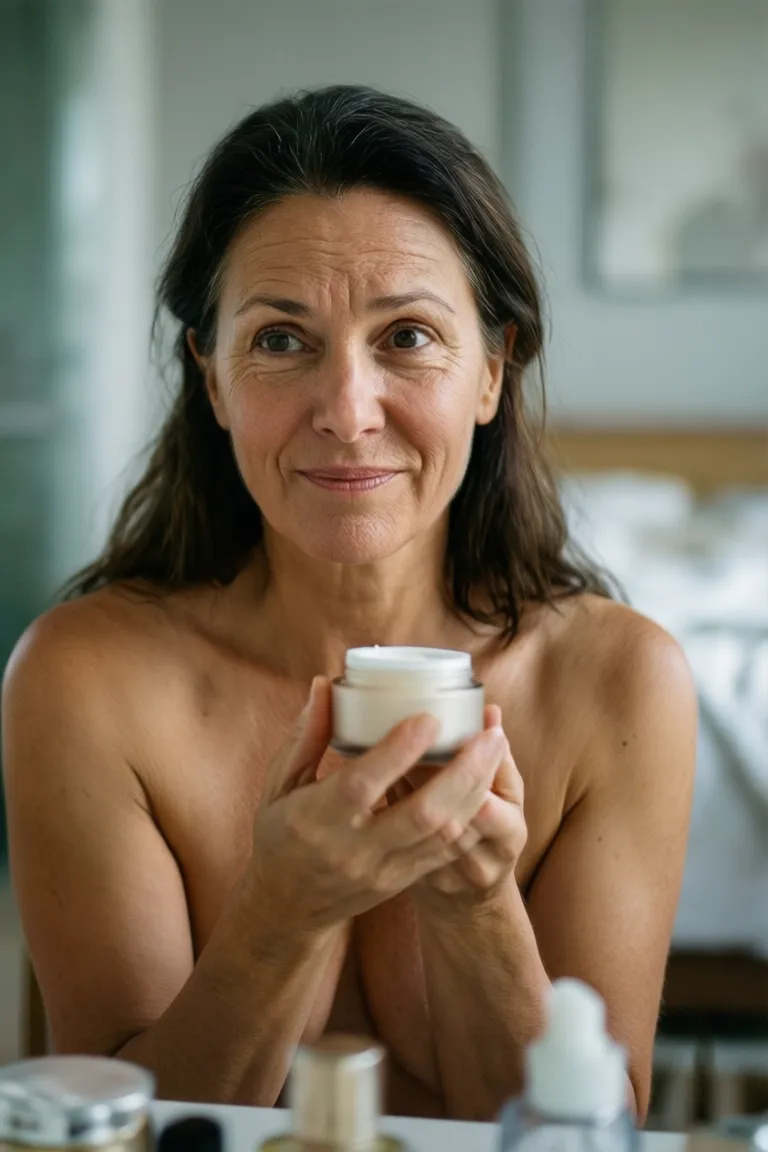
I’ve always been the type of person who reads the ingredient list on everything, who follows a 10-step skincare routine religiously, and who believes that taking care of your skin is a form of self-respect. So, when I started noticing those fine lines around my eyes becoming more like permanent guests and my skin tone looking a bit more…blotchy…than it did in my 30s, I went into research mode. That’s when I found Skinception. The reviews were glowing, the before-and-after photos were compelling, and I felt that flicker of hope. But that hope was quickly overshadowed by a deep, nagging anxiety: where on earth was I supposed to buy it? The internet felt like a minefield of look-alike sites and too-good-to-be-true deals. I’m a 48-year-old woman who’s careful with her money and her face, and the fear of getting ripped off was almost enough to make me give up before I even started. My journey to find the real deal wasn’t just about buying a cream; it was a crash course in skepticism, a lesson in trust, and ultimately, a story about why the easy choice is often the wrong one. I’m sharing this not as an expert, but as someone who learned the hard way—through vulnerability, not authority—what truly matters when you invest in your skin.
My First Mistake: Why I Thought Amazon Was the Easy Answer for Skinception
Like so many of us, my first instinct was to open a new tab and head straight to Amazon. It’s my default for everything from books to batteries, so why not skincare? The logic seemed flawless. Prime shipping meant I could have it in two days. The checkout process was familiar and secure. And honestly, the initial price comparisons I did showed listings that were slightly cheaper than what I glimpsed on what I thought was the official site. In my rush to solve my skin woes, I saw convenience and a few dollars saved as a win. I completely overlooked the most critical detail: the seller. I clicked on a listing with a convincing image and a decent number of reviews, added it to my cart, and felt a sense of accomplishment. I’d cracked the code.
The deeper truth, which I only understood in hindsight, was that I was exhausted. After weeks of researching creams and serums, I just wanted the decision to be over. Amazon felt like the finish line. I didn’t want to navigate a new website, create another account, or wonder about a different company’s shipping policies. The allure of that one-click purchase blinded me to the due diligence I normally apply to everything else in my life. I was so focused on getting the product fast that I didn’t pause to consider if I was getting the product right. I didn’t ask myself the crucial questions: Who is actually fulfilling this order? Is this seller authorized? What happens if it’s not what I expect? I traded my usual meticulousness for the siren song of convenience, and it was a trade I immediately regretted. This initial failure wasn’t about being naive; it was about letting my guard down in a space where vigilance is the only currency that matters.
The Red Flags I Missed: How to Spot a Fake Skinception Product (My Personal Horror Story)
The package arrived right on time, wrapped in that familiar Amazon smile. My excitement faded the moment I held the box. The cardboard felt thinner, flimsier than I expected for a premium product. The printing was slightly blurry, like a poor photocopy of the sleek branding I’d seen online. But I dismissed it, thinking maybe it was just a bad batch or a change in packaging. The real horror began when I opened the jar. The texture was wrong. Instead of the rich, velvety cream described in genuine reviews, this was a thin, almost greasy substance that separated slightly. The smell was off, too—a faint, chemical scent buried under a heavy, artificial floral perfume meant to mask it. There was no inner seal, just the lid. I felt a pit in my stomach.
I’d bought Skinception on Amazon and it didn't work because, I was starting to suspect, it wasn’t Skinception at all. In a panic, I went back to the seller’s page, and this time I looked with the eyes of someone who’d been burned. The seller name was a random string of letters and numbers, something like “GlobalHealthDeals_2023.” The reviews, which I’d only skimmed for star ratings, were a chilling mix. The five-star ones were generic: “Fast shipping!” “Good.” The one-star reviews told the real story: “FAKE PRODUCT,” “Texture is watery,” “No seal, smells weird.” I had missed every single red flag. This was my personal, visceral lesson in the dangers of expired or improperly stored skincare. That jar represented more than wasted money; it was a vessel of unknown ingredients that could have been sitting in a non-climate-controlled warehouse for who knows how long. The thought of applying that to my face, hoping for rejuvenation while potentially causing harm, made me feel sick. I threw it away, but the lesson stuck: the signs are always there if you’re willing to see them before you click “buy now.”
Why the 'Official Store' Isn't Just About Price: What I Learned About Authenticity and Guarantees
Humiliated and more determined than ever, I vowed to do it right. This time, I wasn’t shopping for a product; I was shopping for trust. I meticulously searched for the official Skinception store, bypassing all the sponsored ads that looked similar. The difference was palpable before I even bought anything. The website felt professional and transparent, with clear information about the company, detailed ingredient lists with explanations (not just a wall of scientific names), and an FAQ that actually answered my specific worries. I realized this wasn't just about paying a few dollars more; it was about investing in a chain of custody I could trust.
Buying direct from the manufacturer meant I could be confident in the product's freshness, its ingredient sourcing and quality control. There was no third-party warehouse where it could sit in a hot container for months, degrading the active ingredients I was paying for. More importantly, I saw the immense value in the manufacturer's warranty and return policies. The official site offered a clear, no-hassle money-back guarantee, something the anonymous Amazon seller absolutely did not. If this jar was also wrong, I had a clear, human path to recourse. This was the security I craved—a relationship with a company that stood behind its product. It wasn’t a blind purchase; it was a transaction with accountability. Understanding this shifted my entire perspective. The “official store” is the bedrock of authenticity and guarantees. It’s the difference between a hopeful gamble on a mystery jar and an informed investment in your skin’s health, backed by a promise.
My Skinception Transformation: The Real Results I Saw (Once I Bought the Genuine Product)
The package from the official store arrived a few days later. The experience was different from the moment I opened the mailbox. The box was sturdy, the printing crisp. Inside, the jar felt substantial and cool to the touch, and it had a perfect, intact foil safety seal under the lid. Breaking that seal felt significant—it was a promise kept. The cream itself was a dream—a thick, luxurious texture that melted into my skin without a trace of grease, and it had a light, clean, almost clinical scent. This was unmistakably the product the genuine reviews had raved about.
I started using it that night, and while I knew miracles don’t happen overnight, the immediate sensory experience was profoundly reassuring. It felt like nourishment, not just coverage. By the end of Week 1, my skin felt deeply hydrated and smoother to the touch, the tightness I’d grown used to was gone. Week 4 brought the first visible changes I could see in my morning mirror: those stubborn fine lines around my eyes looked softer, less etched, as if someone had gently blurred them. The overall tone of my face began to even out, the blotchiness and redness receding into a more uniform canvas. Now, at the two-month mark, the improvement isn’t just something I see; it’s something I feel. My skin has a resilience and a natural glow I thought I’d lost for good. It bounces back better, feels plumper. Comparing this journey to my Skinception order from Amazon that was suspicious is like night and day. One was a waste of money and a source of anxiety; the other has been a genuine, steady Skinception transformation built on trust and quality. For anyone wondering why is my skin sagging in my 40s even though I eat healthy and use good skincare, the answer can sometimes lie in the quality of the products you're using.
Navigating the Hype: How to Vet Online Reviews for Any Skincare Purchase
My Amazon misadventure didn’t just teach me about sellers; it completely rewired how I read online reviews. I used to be a star-rating chaser, sorting by “top reviews” and skimming for enthusiasm. Now, I approach reviews like a detective, looking for the story between the lines. For any product, but especially for something like Skinception on Amazon, I look for patterns that signal authenticity versus fraud.
I’ve learned that genuine, detailed reviews often mention specific timelines (“After three weeks, I noticed…”) or particular concerns (“It really calmed the redness on my cheeks”). The overly generic five-star reviews (“Great product! Fast shipping!”) are now red flags—they’re often planted. My most valuable tool is the one- and two-star section. I don’t just look for complaints about ineffectiveness; I scour them for mentions of packaging discrepancies, strange textures, or missing seals. A cluster of reviews saying “This seems different” or “I’ve used this before and this isn’t the same” is a massive warning siren. I also check the reviewers’ profiles. Are they verified purchases? Do they have a history of reviewing a variety of products, or does it look like they only praise this one brand? This investigative process adds maybe five minutes to my research, but it’s a crucial layer of defense. It’s how the consumer community self-polices. Those warnings about fake products are almost always there, buried in the negative feedback, waiting for someone who’s willing to look past the surface-level hype. It’s a lesson I wish I’d learned before my experience with anti aging skincare routine at 42.
Scientific Evidence
The Real Cost of a Counterfeit: Beyond Wasted Money
What finally hit me, weeks after tossing that fake jar, was that the risk was so much greater than just losing $50. We research these products meticulously for a reason—we trust them to be safe, effective, and pure. A counterfeit product is a complete unknown, a black box for your face. What’s actually in that jar? At best, it could be nothing but cheap moisturizers and fillers, rendering it utterly useless for your specific concerns. You’d be applying a placebo and wondering why your skin isn’t improving.
At worst, and this is what keeps me up at night, it could contain harmful contaminants, unregulated preservatives, allergens, or even steroids not meant for long-term facial use. These could cause immediate irritation, rashes, or contact dermatitis. Worse, they could lead to long-term damage like thinning skin, broken capillaries, or persistent sensitivity. My pursuit of smoother, younger-looking skin could have inadvertently compromised my skin’s health barrier for months or years. This understanding fundamentally reframed every future purchase for me. The premium of buying authentic isn’t just for the brand name or the active ingredients; it’s for the peace of mind that comes with rigorous testing, pharmaceutical-grade quality control, and a company that is legally and ethically accountable for what it sells. When you buy from an unauthorized seller, you’re voluntarily opting out of that entire safety net. For me, that’s a cost—a risk to my health and well-being—I’m never willing to pay again. Understanding the nuances of product formulation is crucial, and a Clinical trial methodology can shed light on how these products are rigorously tested.
Don't Make My Mistake: Your Checklist for Buying Skinception Safely Online
I share this story not just to vent my frustration, but to arm you with the practical, hard-won knowledge I wish I’d had before my first click. Don’t let skepticism or excitement turn into a costly and potentially harmful error. Here is your actionable checklist, born from my experience.
First, always verify the seller's identity and authorization. On any marketplace, don’t just look at the product title. Click on the seller’s name. Is it listed as “Skinception” or an authorized retailer you can verify, or is it a cryptic jumble of letters? If it’s not clear, it’s not safe. Second, when in doubt, go straight to the source. Bookmark the official brand website from your own search (not a click from an ad) and look for the hallmarks of security: official website badges and secure payment gateways (look for “https://” and a lock icon in your browser bar). This is especially important when considering my experience with firming serums for women over 40.
Third, let common sense be your loudest guide. Beware of 'too good to be true' discounts. If the price is 40-50% lower than the official site, it’s almost certainly a counterfeit. Authentic skincare has real costs—research, quality ingredients, manufacturing—that counterfeiters skip. Fourth, know how to fight back. Learn how to report suspected counterfeit products both to the platform (like Amazon’s report feature) and directly to the brand’s official customer service. They want to know about fakes. Finally, don’t hesitate to seek clarity. Contact Skinception customer service directly with a link to a seller if you have doubts. I did this after my fake purchase, and they were incredibly helpful in confirming authorized sellers. Your face, your health, and your hard-earned money deserve this level of care.
Empowerment Through Due Diligence: Taking Control of Your Skincare Journey
In the end, this entire experience transformed from a story of victimhood (“I got scammed”) to one of deep personal empowerment. Yes, I got duped initially. But by digging deeper, asking harder questions, and ultimately sharing my honest review of Skinception from the official site versus my scary Amazon experience, I’ve taken full control of the narrative. I’m no longer just a passive consumer at the mercy of algorithms and anonymous sellers; I’m an informed, vigilant advocate for my own well-being.
The journey taught me that being meticulous isn’t about being paranoid or difficult—it’s about being smart and self-respecting. It’s about recognizing that in the vast, sometimes Wild West of the digital marketplace, the final responsibility for authenticity often lands squarely on us, the buyers. We have the tools: our own scrutiny, our research skills, our willingness to read between the lines, and most importantly, our willingness to listen to that gut feeling when something seems “off.” My hope is that by reading this, you feel that same sense of empowerment. You don’t have to be afraid of online shopping for skincare; you just have to be alert, informed, and brave enough to choose the secure path over the easy one. Your skin’s journey is deeply personal, and ensuring every single product on that path is genuine, fresh, and safe is the most powerful and caring step you can take.
| Where You Buy | Best For | Realistic Risk Level | Key Consideration |
|---|---|---|---|
| Official Brand Website | Guaranteed authenticity & safety; First-time buyers; Those valuing support | Very Low | You pay for security, fresh product, and direct manufacturer guarantees. |
| Authorized Retailer (e.g., select pharmacies, trusted beauty sites) | Convenience with some verification; Those who have vetted the retailer | Low | Must confirm authorization directly with the brand. Packaging may vary. |
| Major Marketplace (e.g., Amazon, eBay) from 3rd-Party Sellers | Extreme bargain hunters willing to gamble | Very High | High risk of counterfeit, expired, or tampered goods. Diligence is mandatory. |
| Social Media Marketplaces or Unfamiliar Websites | Not recommended for skincare | Extremely High | Almost no recourse for fakes or fraud. Health risk is significant. |
Frequently Asked Questions
Q: Is it safe to buy Skinception from Amazon? A: It can be, but it requires a level of caution most of us don’t apply to a routine purchase. The platform itself isn’t the issue; it’s the third-party sellers operating on it. You must treat every listing with skepticism. Only purchase if the seller is explicitly listed as “Skinception” (the official brand storefront on Amazon) or an authorized retailer you can independently verify. Scrutinize seller ratings and, crucially, read the negative reviews for mentions of counterfeits. If you feel any doubt—which is a healthy instinct—it is infinitely safer to purchase directly from the official Skinception website. The minor convenience is never worth the risk to your skin.
Q: I already bought a jar from a third-party seller. How can I tell if my Skinception product is fake? A: Trust your senses and inspect closely. Start with the packaging: genuine products have high-quality, crisp printing on sturdy boxes. The cream itself is the biggest tell. Authentic Skinception has a rich, velvety texture that absorbs beautifully without leaving a greasy film. The scent is light, clean, and unobtrusive—not heavily perfumed or chemically. A missing, broken, or poorly adhered safety seal under the lid is a major red flag. If the product’s consistency seems thin, watery, separated, or causes any stinging or unusual redness your skin isn’t used to, trust that feeling. It’s likely not the real thing.
Q: Why is Skinception sometimes so much cheaper on Amazon or other websites? A: A drastically lower price is the single biggest warning sign. This almost always indicates one of three things: the product is old/expired, it’s an outright counterfeit, or it was sourced through unauthorized, non-compliant channels where quality control is nonexistent. Creating authentic, effective skincare with stable, potent actives is expensive. Counterfeiters skip all those costs—research, clinical testing, quality ingredients, proper storage—to turn a quick profit. Remember, if a deal seems too good to be true, especially with skincare, it almost certainly is. You’re not getting a bargain; you’re likely buying a problem.
Q: What should I do if I’ve already opened and used a product I suspect is fake? A: First, stop using it immediately. Don’t apply it again “just to see.” Take clear, well-lit photos of the product, the jar, the packaging, and the lot number if there is one. Also, screenshot the seller’s information and your order details. Report the seller and the specific listing to the marketplace (like Amazon) for selling counterfeit goods. Then, reach out to Skinception’s official customer service. Provide them with the details; brands actively track counterfeit networks and appreciate the report. If you experience any adverse skin reaction, consult a dermatologist and mention the suspected counterfeit product. Pursue a refund through the marketplace’s buyer protection program or directly from the seller.
Q: Beyond just getting the real product, what are the real benefits of buying from the official Skinception store? A: The benefits are holistic. You’re guaranteed a fresh, potent product that hasn’t been sitting in unknown conditions. You have direct access to the manufacturer’s customer support team for any usage questions. You are protected by the official money-back satisfaction guarantee, which is a real policy with a clear process. Perhaps most importantly, you are supporting the actual brand’s ongoing research and development. It’s a purchase that includes security, support, confidence, and contributes to the innovation cycle—none of which come with a counterfeit from a random online seller.
Q: I’m now nervous about buying any skincare online. What’s your absolute best, simplest piece of advice? A: My number one rule, forged from my own mistake, is this: When in doubt, go direct. Bookmark the official brand’s website from your own independent search. Make that your starting point for information and your finishing point for purchase. The small amount of time or money you might save by going through a third-party is trivial compared to the cost—financial, emotional, and physical—of dealing with a counterfeit. Treat your skincare purchases with the same seriousness and source-verification you would a prescription medication. Your skin is your largest organ; it deserves a known and trusted source.
📌 Love this guide? Save it on Pinterest!
Pin My Skinception Scam Scare: Official Store vs. Amazon in 2026 to your board so you can come back to it later.

